

Product details
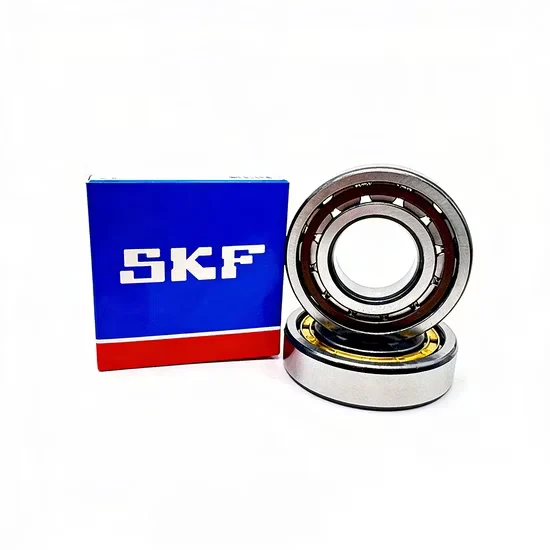
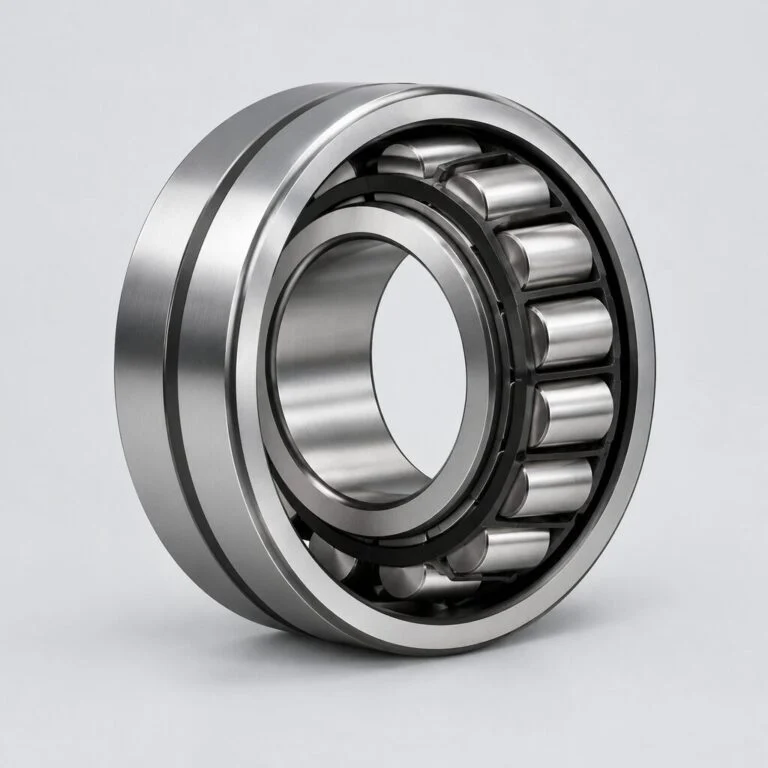
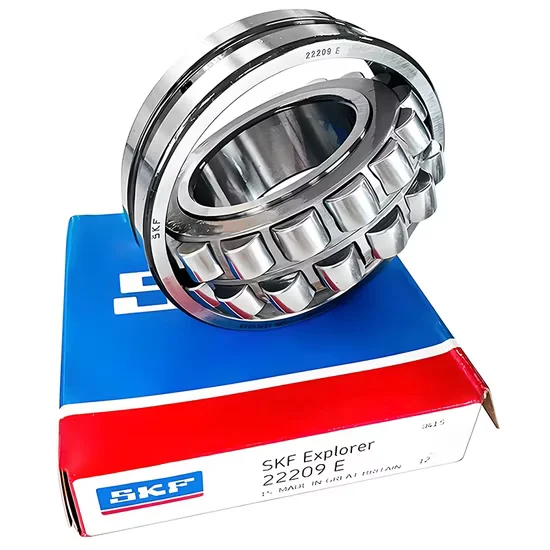
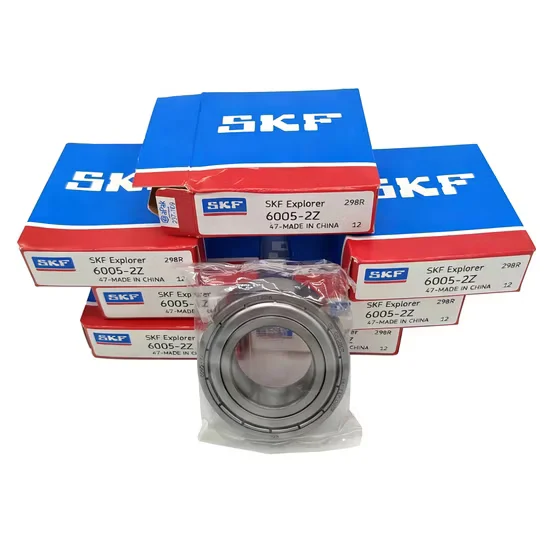
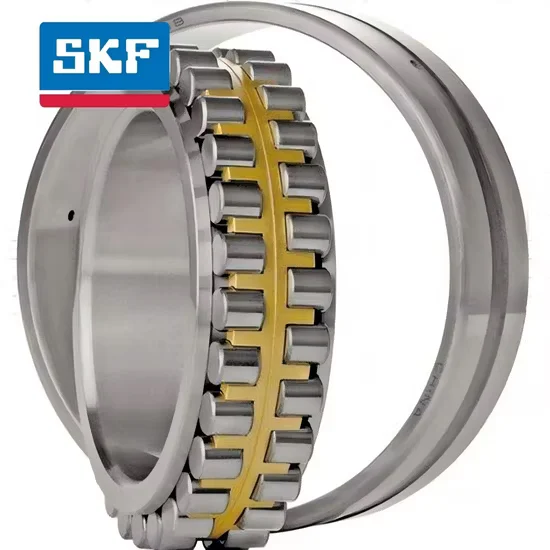
About OEM Custom Double Row Cylindrical Roller Bearing Nu2205-Ec P
Multi-Brand Sourcing Consolidation — We unify global and domestic bearing lines into single shipments, eliminating multi-vendor coordination for your mixed-size project orders.
Technical Specifications
| Parameter | Value |
|---|---|
| Designation | Nu2205-Ec P |
| Bearing Type | Double Row Cylindrical Roller Bearing |
| Number of Rows | Double |
| Outer Dimension | Medium and Large (120-190mm) |
| Material | Bearing Steel |
| Spherical | Non-Aligning Bearings |
| Separated | Separated |
| Clearance Class | C0, C2, C3, C4, C5 |
| Cage Material | Brass, Steel |
| Vibration Grade | Z1V1, Z2V2, Z3V3 |
| Hardness | 60-64 HRC |
| Origin | Jiangsu China |
Note: The "Ec" suffix remains an unverified suffix requiring manufacturer catalog confirmation for exact internal design specifics.
Application Suitability
| Industry | Typical Applications |
|---|---|
| Heavy Machinery | Heavy-duty gearboxes transmitting high torque |
| Metallurgy | Rolling mills handling continuous steel billet loads |
| Steel Production | Steel mill equipment operating under extreme thermal stress |
| Transportation | Traction motors requiring stable radial support |
Why Clearance Mismatches Destroy Heavy-Duty Gearboxes
Thermal expansion dictates operational survival when radial loads peak.
Sending a standard clearance bearing into a high-temperature rolling mill is a recipe for catastrophic seizure. I learned this the hard way at a Nigerian cement plant where a misallocated clearance class caused immediate thermal lock-up under heavy load. Selecting the correct zhaoyun Nu2205-Ec P double row cylindrical roller bearing demands strict alignment between ambient heat, operational friction, and internal clearance to prevent premature equipment failure.
Matching Internal Geometry to Mill and Gearbox Demands
The separated design of this zhaoyun Nu2205-Ec P double row cylindrical roller bearing allows independent mounting of the inner and outer rings, significantly simplifying maintenance in confined gearbox housings. Our engineering team cross-references your specific operational tolerances to ensure the selected clearance class perfectly compensates for thermal growth during continuous metallurgy operations.
Managing Thermal and Mechanical Stress in Steel Mills
Rolling mill environments subject components to intense radial forces combined with severe thermal gradients that degrade standard lubricants. The non-aligning nature of this configuration requires precise shaft and housing alignment to prevent edge loading on the rolling elements. Effective heat dissipation and consistent lubrication flow are mandatory to maintain the structural integrity of the bearing steel under continuous high-temperature exposure.
Decoding Cage Materials and Clearance Tolerances
The availability of brass or steel cages directly influences operational limits; brass cages typically offer superior damping and wear resistance under heavy shock loads, while steel cages provide cost-effective durability for steady-state runs. The polyamide cage indicated by the P suffix offers lightweight operation and lower friction, though its thermal threshold must be carefully evaluated against the mill's ambient heat. Furthermore, choosing between C0 and C3 clearance is critical—C3 provides the necessary internal room for thermal expansion, preventing the inner ring from expanding into the rolling elements and causing seizure. The 60-64 HRC hardness ensures the raceways resist surface fatigue and spalling under extreme contact stress.
The Financial Impact of Improper Clearance Selection
Deploying a standard clearance variant in a high-heat environment inevitably leads to unplanned downtime as the internal gaps close during thermal expansion. This metal-to-metal contact accelerates wear, resulting in catastrophic damage to the shaft and housing. Such premature failure not only voids equipment warranties but also triggers extensive secondary repairs across the entire drive train.
Securing Traceability and Exact Match Replacements
We maintain massive spot inventory covering thousands of part numbers, ensuring urgent maintenance requirements for rolling mills are met without extended lead times. Our technical selection support specifically targets the high-risk clearance and cage mismatches common in heavy-duty gearboxes, verifying exact operational requirements before dispatch. Every shipment includes complete traceability documentation, providing the ISO-compliant quality assurance necessary for critical metallurgy applications. We consolidate mixed-brand and mixed-size packages, optimizing your sourcing cost compared to navigating multiple direct official channels.
Documentation & Authenticity
- Certificate of Conformity verifying the specific zhaoyun batch origin.
- Material inspection reports confirming 60-64 HRC hardness for the bearing steel.
- Dimensional and running accuracy reports validating the selected clearance class.
- Traceability records linking the polyamide cage components to their production lot.
Storage, Handling & Mounting
- Store the separated inner and outer rings in original packaging to prevent humidity ingress before assembly.
- Use induction heating for the inner ring to achieve proper interference fit without damaging the polyamide cage.
- Maintain strict cleanliness during mounting to protect the non-aligning raceways from metallurgical dust contamination.
- Verify the selected C3 or C4 clearance remains intact after cooling to ambient temperature post-installation.
Engineering Review for Your Specific Drive Train
Share your exact radial loads, operational speeds, and thermal profiles so our team can validate the optimal clearance class and cage material for your gearbox. Providing the OEM equipment number allows us to perform precise cross-reference checks, ensuring the replacement integrates flawlessly into your existing metallurgy line.
Frequently Asked Questions
Q: How do I verify the exact meaning of the P suffix on this model?
A: The P suffix designates a polyamide cage, which reduces weight and friction compared to brass or steel alternatives. However, you must verify the maximum operating temperature of your specific gearbox environment, as polymer cages have lower thermal limits than metallic ones. Always cross-reference the operational heat profile before finalizing the order.
Q: What is the procedure for confirming the Ec suffix details?
A: Since the Ec suffix requires manufacturer catalog confirmation, we cross-reference the internal design specifics directly with the production facility. We provide detailed dimensional and running accuracy inspection reports for your exact shipment, ensuring the internal geometry matches the heavy-duty requirements of your rolling mill equipment.
Q: Why did my previous bearing seize despite having the correct dimensions?
A: Dimensional accuracy alone does not prevent seizure; internal clearance is equally critical. If a standard C0 clearance was used in a high-temperature steel mill application, thermal expansion would eliminate the internal gap. We strictly match C3 or C4 clearance classes to your specific thermal and load conditions to prevent this failure mode.
Q: Can I mix brass and steel cages in the same heavy-duty gearbox?
A: Mixing cage materials within the same gearbox is strongly discouraged. Brass and steel cages exhibit different friction characteristics, weight profiles, and thermal expansion rates. This mismatch causes uneven load distribution across the double rows, accelerating fatigue. We supply matched sets to ensure uniform operational behavior.