



Product details
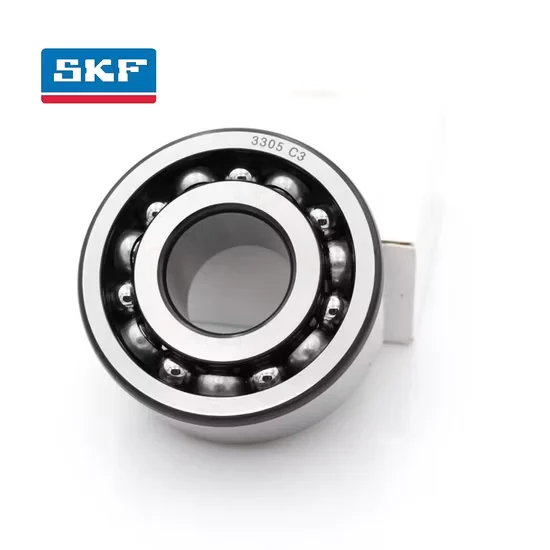
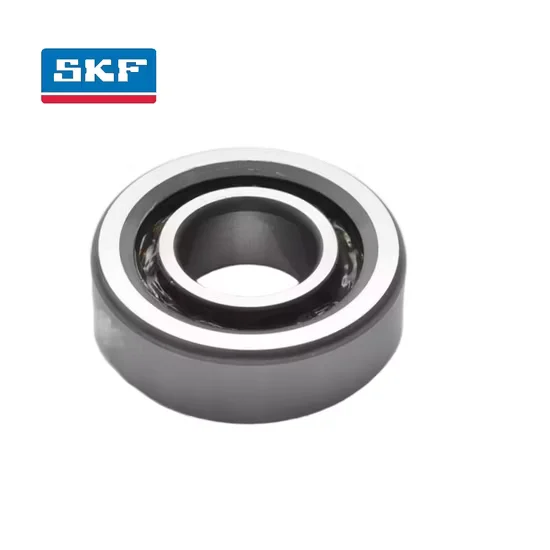
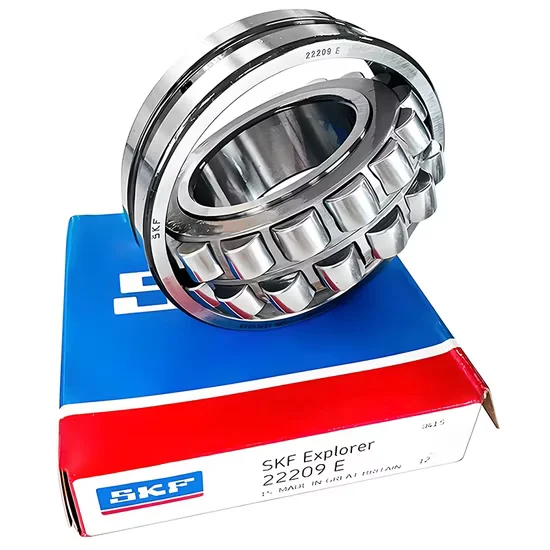
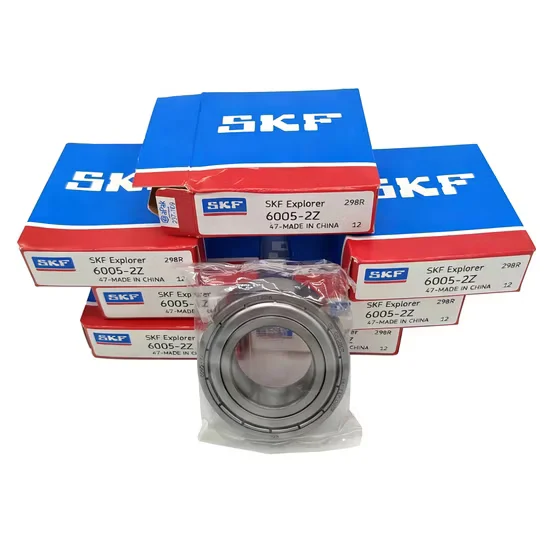
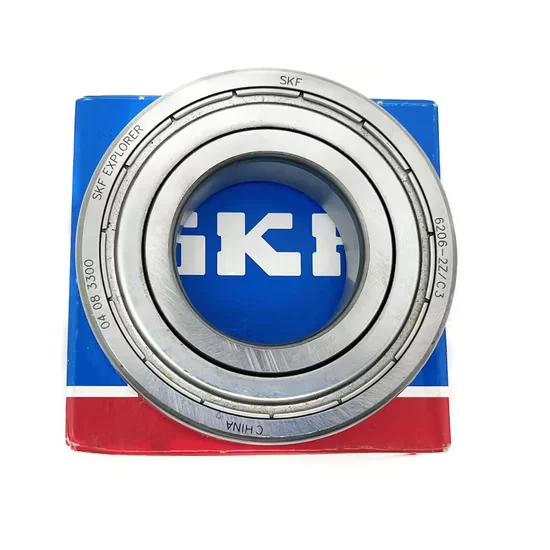
About Great Value 6311 6312 6313 6314 6315 6316 Deep Groove Ball Bearing for Saw
Traceable Batch Origins — Every X&S 6311 6312 6313 6314 6315 6316 deep groove ball bearing ships with verifiable production lot documentation for complete supply chain transparency.
Technical Specifications
| Parameter | Value |
|---|---|
| Designation | 6311 6312 6313 6314 6315 6316 |
| Bearing Type | Deep Groove Ball Bearing |
| Precision Class | P0, P6, P5, P4 |
| Material | Available in bearing steel construction |
| Vibration Level | Z1V1, Z2V2, Z3V3, Z4V4 |
| Seal or Shield Type | Open, Zz, 2RS options |
| Lubrication | Grease or Oil |
| Origin | Shandong Province, China |
| HS Code | 8482102000 |
Application Suitability
| Industry | Typical Applications |
|---|---|
| Woodworking | Saw blade arbor shafts, edge bander feed rollers |
| General Manufacturing | Electric motor rotors, centrifugal pump shafts |
| Material Handling | Conveyor drive pulleys, gearbox input shafts |
Why Saw Arbor Bearings Fail Before the Blade Dulls
Contaminant ingress and thermal expansion lock the cage long before the steel races fatigue.
In my years running heat treatment in Suzhou workshops before transitioning to technical sales, I witnessed countless sawmill arbor shafts seize prematurely. Operators frequently blame the base steel quality, but the real culprit is usually fine wood dust bypassing inadequate shields and mixing with grease to form a highly abrasive paste. When sourcing a reliable X&S 6311 6312 6313 6314 6315 6316 deep groove ball bearing for these demanding environments, ignoring the sealing interface leads to catastrophic cage wear. The friction generated by trapped particulates rapidly degrades the lubricant, causing localized overheating that eventually welds the rolling elements to the raceway.
Matching the 6311 6312 6313 6314 6315 6316 deep groove ball bearing to High-Dust Cutting Environments
Selecting the correct variant of this X&S 6311 6312 6313 6314 6315 6316 deep groove ball bearing requires balancing friction and contamination defense. We provide cross-brand equivalent model consultation to ensure your saw arbor gets the exact seal and clearance combination needed for your specific machine. This consolidated sourcing approach eliminates the guesswork when bundling mixed-size packages for urgent MRO replacements, ensuring your maintenance team receives technically validated components rather than generic off-the-shelf parts that fail under load.
Managing Radial Loads and Abrasive Particles in Wood Processing
Saw blade arbors subject bearings to steady radial loads combined with high-speed rotation and intense vibration from cutting dense timber. Fine particulate matter constantly threatens to infiltrate the raceway, degrading the lubricant and accelerating surface fatigue across the contact zones. Elevated operating temperatures from friction can also reduce grease viscosity, demanding careful attention to internal clearance to prevent thermal binding during continuous shifts. Proper seal selection is critical here, as contact seals offer superior dust exclusion but generate slightly more friction heat than non-contact shields, requiring a precise engineering compromise.
Decoding Precision, Vibration, and Seal Options for Motor and Saw Applications
The available P0 to P4 precision ratings dictate the running accuracy, where tighter tolerances like P5 or P4 significantly reduce vibration in high-speed electric motors and precision saws. Vibration levels ranging from Z1V1 up to Z4V4 further ensure smooth, low-noise operation, which is essential for minimizing resonance and preventing structural fatigue in the equipment housing. Regarding contamination defense, the open, Zz, and 2RS seal options provide distinct operational profiles. Open designs suit oil-lubricated, clean environments, while Zz metal shields offer low-friction protection against larger debris. For heavy wood dust exposure, 2RS rubber seals provide the necessary contact barrier to keep abrasives out of the bearing steel raceway, preserving the factory grease fill.
The Hidden Toll of Mismatched Clearances and Seals
Specifying an inadequate seal or incorrect internal clearance for a dusty saw application inevitably leads to unplanned downtime and premature failure. When abrasive dust breaches the shield, it acts as a lapping compound, rapidly destroying the raceway finish and causing catastrophic damage to the rolling elements. According to failure analysis frameworks, contamination is a primary driver of reduced L10 life, often voiding equipment warranties due to improper maintenance or part selection. Furthermore, ignoring thermal expansion in tight-clearance bearings can cause the internal components to bind, resulting in sudden shaft lockups that damage the entire arbor assembly.
Securing Authentic Bearings with Verified Traceability
Sourcing genuine bearings with complete traceability documentation ensures you receive authentic bearing steel components, not substandard counterfeits that spall under load. Our massive spot inventory covers thousands of standard part numbers, allowing flexible MOQ from single-unit emergency spares to full container consolidation for these specific sizes. We offer competitive sourcing costs compared to direct official channels without compromising on ISO-compliant quality assurance. Furthermore, our technical selection support helps you avoid the common trap of mismatching seal types for high-dust woodworking machinery. Global shipping consolidation and long-term after-sales technical support guarantee that your mixed-brand packages arrive ready for immediate installation, backed by failure analysis guidance if operational issues arise.
Documentation & Authenticity
- Certificate of Conformity verifying P0-P4 precision grades for the requested 6311 to 6316 sizes.
- Original batch traceability records linking the bearing steel heat number to the final product.
- Dimensional and running accuracy inspection reports confirming Z1V1 to Z4V4 vibration limits.
- Customs documentation validating the 8482102000 HS Code for efficient international clearance.
- Material test certificates proving the chemical composition of the bearing steel rings and rolling elements.
Storage, Handling & Mounting
- Store the 2RS sealed variants in original packaging to prevent the rubber lips from degrading under UV exposure.
- Use clean gloves when handling open or Zz shielded bearings to avoid transferring moisture to the bearing steel.
- Apply induction heating for mounting the larger 6315 and 6316 sizes to prevent raceway brinelling during press-fits.
- Keep grease-lubricated units sealed until installation to prevent airborne sawdust from contaminating the factory fill.
- Verify the P4 precision class running accuracy after mounting to ensure the arbor shaft alignment remains intact.
Engineering Review for Your Specific Arbor Configuration
To ensure optimal performance, provide your radial and axial load profiles, operating speeds, and arbor shaft dimensions for a comprehensive L10 life recalculation. Providing the original equipment manufacturer part numbers allows our engineering team to perform precise cross-reference verification across global brands. Detailing the specific dust concentration and ambient temperature of your sawmill environment helps us recommend the most suitable seal and clearance combination, ensuring the selected components withstand your exact operational demands without premature degradation.
Frequently Asked Questions
Q: How do I choose between Zz, 2RS, and open seals for saw applications?
A: Open bearings suit clean, oil-lubricated setups, while Zz metal shields offer low-friction protection against larger chips. For fine wood dust environments, 2RS rubber contact seals are mandatory to prevent abrasive ingress and premature cage wear, despite generating slightly more friction heat during high-speed rotation.
Q: What is the difference between P0, P6, P5, and P4 precision ratings?
A: P0 is the standard tolerance suitable for general conveyors and pumps. P6 and P5 offer tighter dimensional and running accuracy for electric motors, reducing vibration. P4 provides the highest precision, ensuring minimal runout and smooth operation in high-speed saw arbor shafts where rotational stability is critical.
Q: How do Z1V1 to Z4V4 vibration levels impact high-speed motor performance?
A: Higher vibration codes like Z3V3 or Z4V4 indicate strictly controlled geometric tolerances and surface finishes, which minimize operational noise and resonance. In high-speed electric motors, specifying these lower vibration levels prevents structural fatigue in the motor housing and extends the overall service life of the rotor assembly.
Q: Can I order mixed sizes from 6311 to 6316 in a single consolidated shipment?
A: Yes, our flexible sourcing model supports mixed-size consolidation. Whether you need a single emergency replacement for a 6314 arbor or a full container of assorted sizes for a plant-wide MRO overhaul, we can bundle these deep groove ball bearings with other brands into one verified shipment.
Q: What are the recommended relubrication intervals for grease vs. oil lubricated bearings?
A: Oil-lubricated open bearings require continuous or frequent circulation to manage heat in high-speed applications. Grease-lubricated variants with 2RS or Zz seals are typically sealed for life and should not be relubricated, as forcing new grease can rupture the seal lips and introduce contaminants into the raceway.