Standard premium bearings fail in hydrogen environments not because of load capacity, but due to molecular embrittlement.
Sourcing SKF bearings for hydrogen projects in Germany requires strict verification of material composition against hydrogen embrittlement risks and complete traceability documentation to prevent customs seizures at German ports. Without EN 10204 3.1 certificates and specific high-nitrogen or hybrid ceramic specifications, even genuine bearings face rejection during technical audits or clearance delays that halt project timelines.
I still remember the silence on the phone line when a client in Hamburg told me their container was stuck at the port. It was a routine order for compressor spares, but the customs officers had flagged the shipment for missing origin proofs and material certificates. The bearings were genuine, sourced from authorized channels, but the paperwork did not match the stringent requirements for hydrogen infrastructure components in the EU. That incident shifted my entire approach to procurement. Now, before I even look at pricing, I review the technical specifications for hydrogen compatibility and ensure every batch code is traceable back to the manufacturer’s production facilities. This diligence is not just about compliance; it is about ensuring the mechanical integrity of systems operating under extreme chemical stress.
The transition to green hydrogen in Germany has accelerated, bringing with it a new set of engineering challenges that standard industrial practices often overlook. Many buyers assume that a top-tier brand name guarantees suitability for all applications. However, hydrogen atoms are small enough to diffuse into steel lattices, causing internal cracking and premature failure under pressure. This phenomenon demands a specialized approach to selection and sourcing that goes beyond basic catalog matching.
Why Standard Bearings Fail in German Hydrogen Projects?
Hydrogen embrittlement is a silent killer that standard bearing steel cannot withstand without modification.
In conventional industrial settings, bearing failure is usually attributed to fatigue, lubrication breakdown, or contamination. In hydrogen environments, however, the primary threat is chemical. Hydrogen molecules dissociate into atoms at the metal surface and penetrate the steel structure. Over time, this leads to a loss of ductility and sudden brittle fracture, even under normal operating loads.
A European wind-to-hydrogen plant operator once reported a series of pump failures that occurred far earlier than predicted by standard life calculations. The bearings used were standard high-carbon chromium steel, typical for general industrial pumps. Post-failure analysis revealed micro-cracks consistent with hydrogen ingress rather than mechanical fatigue. The root cause was not the brand or the precision grade, but the material composition itself. Standard steel lacks the necessary resistance to hydrogen diffusion.
To mitigate this, engineers must move away from generic specifications. The solution lies in using materials specifically designed to resist hydrogen penetration. High-nitrogen stainless steels and hybrid ceramic options offer significantly better performance because their molecular structures are less permeable to hydrogen atoms.
When sourcing SKF bearings for hydrogen projects in Germany, it is critical to confirm that the selected models utilize these resistant materials. A standard deep-groove ball bearing might work for a water pump, but it becomes a liability in a hydrogen compressor. The failure mode is not gradual; it is often catastrophic, leading to unplanned downtime and safety hazards.
SKF Bearing Specification Matrix for Hydrogen Applications
Selecting the right bearing requires a detailed comparison of material properties rather than just dimensions.
Navigating the product catalog can be overwhelming when multiple variants exist for the same size. For hydrogen applications, the choice of material and sealing technology is paramount. Below is a qualitative comparison of common bearing types used in hydrogen compressors and pumps.
| Material Type | Hydrogen Resistance | Load Capacity | Cost Level | Typical Application |
|---|---|---|---|---|
| Standard Chrome Steel | Vulnerable | High | Low | Non-hydrogen auxiliary systems |
| Coated Steel | Resistant | High | Medium | Moderate exposure zones |
| High-Nitrogen Stainless | Robust | Medium-High | High | Direct hydrogen contact pumps |
| Hybrid Ceramic (Si3N4) | Robust | Medium | Very High | High-speed compressors |
Note: Load capacity and cost levels are relative qualitative assessments based on industry standards.
Hybrid ceramic bearings, which use silicon nitride rolling elements, are particularly effective in high-speed hydrogen compressors. The ceramic material is inherently inert to hydrogen, eliminating the risk of embrittlement entirely. Additionally, these bearings generate less heat, which is crucial in maintaining the efficiency of compression cycles.
High-nitrogen stainless steel bearings offer a balanced solution for pumps where load capacity is critical. The nitrogen infusion stabilizes the austenitic structure, providing both corrosion resistance and enhanced toughness against hydrogen-induced cracking. This makes them a preferred choice for high-pressure storage and transfer pumps.
A Middle East energy contractor recently switched from standard steel to high-nitrogen variants for their hydrogen refueling station pumps. The initial cost was higher, but the maintenance intervals extended noticeably, reducing the total cost of ownership over the project lifecycle. This shift highlights the importance of looking beyond the upfront price tag.
When evaluating SKF bearings for hydrogen projects in Germany, buyers should request detailed material datasheets that specify the exact alloy composition. Generic "stainless steel" labels are insufficient. The documentation must confirm the presence of nitrogen or other alloying elements that enhance hydrogen resistance.
How to Verify Authenticity and Traceability?
Missing documentation is the most common cause of customs delays for hydrogen project imports.
German customs authorities are rigorous in their inspection of industrial components, especially those destined for critical infrastructure like hydrogen plants. They require proof that the goods meet specific safety and quality standards. The most critical document is the EN 10204 3.1 material certificate, which verifies the chemical and mechanical properties of the bearing steel.
Without this certificate, the bearings are considered unverified materials. In one instance, a shipment of SKF bearings for hydrogen projects in Germany was held for weeks because the supplier provided only a commercial invoice and a packing list. The absence of the 3.1 certificate meant the customs officers could not verify that the steel met the required specifications for hydrogen service. The delay incurred storage fees and nearly jeopardized the project commissioning schedule.
Verification starts with the batch code. Every genuine bearing has a unique identifier that links it to its production batch. This code allows buyers to trace the item back to the manufacturer’s records. When sourcing from a wholesaler, it is essential to ensure that these codes are intact and match the accompanying documentation.
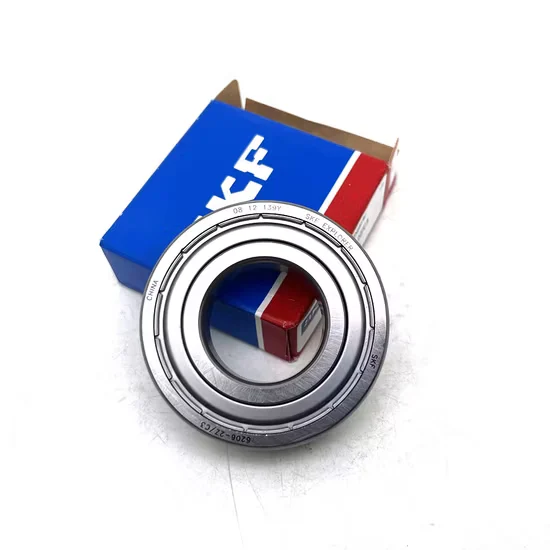
Another layer of verification involves checking the packaging and labeling. Genuine products come in sealed, branded packaging with holographic security features. Counterfeit items often have poor-quality printing or misspelled words. However, sophisticated fakes can mimic these visual cues, making document verification even more critical.
Buyers should also request proof of origin. For SKF bearings for hydrogen projects in Germany, this means confirming that the bearings were produced in an authorized facility and distributed through an authorized channel. Unauthorized parallel imports may lack the necessary quality controls and documentation support.
Optimizing Procurement and Shipping for German Sites
Consolidated shipping and flexible ordering can reduce logistical bottlenecks for MRO operations.
Hydrogen projects often involve multiple equipment suppliers, each requiring specific bearing types. Managing separate shipments for each component can lead to fragmented logistics and increased administrative burden. Consolidating orders into single container loads offers a more efficient approach.
A large-scale electrolyzer manufacturer in Northern Europe streamlined their supply chain by combining orders for compressors, pumps, and generators into consolidated shipments. This approach not only reduced freight costs but also simplified the customs clearance process. Instead of dealing with multiple entries, they handled a single declaration with comprehensive documentation for all items.
Flexibility in minimum order quantities (MOQ) is another key factor. Maintenance teams often need small batches of specific bearings for emergency repairs. Traditional distributors may require large minimums, forcing buyers to hold excess inventory. A supplier that offers flexible MOQs allows operators to maintain lean stock levels while ensuring availability for urgent needs.
Technical support during the selection phase is also vital. Engineers may need guidance on equivalent models if a specific part number is unavailable. Having access to experts who understand both the technical requirements of hydrogen applications and the nuances of global bearing brands can prevent costly selection errors.
When sourcing SKF bearings for hydrogen projects in Germany, working with a partner who understands these logistical and technical complexities can make a significant difference. The goal is to ensure that the right bearings arrive at the right time, with the right documentation, ready for immediate installation.
Conclusion
Success in hydrogen projects depends on precise material selection and impeccable documentation.
Sourcing SKF bearings for hydrogen projects in Germany is not just a purchasing task; it is a technical and compliance challenge. By prioritizing hydrogen-resistant materials like high-nitrogen steel or hybrid ceramics, verifying authenticity through batch codes and EN 10204 3.1 certificates, and optimizing logistics through consolidation, buyers can avoid common pitfalls. The focus must remain on long-term reliability and regulatory compliance, ensuring that every component contributes to the safety and efficiency of the hydrogen infrastructure.
What to state on your inquiry
A complete inquiry keeps the full model suffix and the specified execution, so the quote matches your parts list.
- Full SKF designationCopy every model suffix exactly as specified.
- Specified executionName any insulated, hybrid ceramic or clearance requirement.
- Motor and bearing positionGive the motor model and the position of each bearing.
- Quantity and deliveryList quantities, destination country, postcode and required date.