
Product details
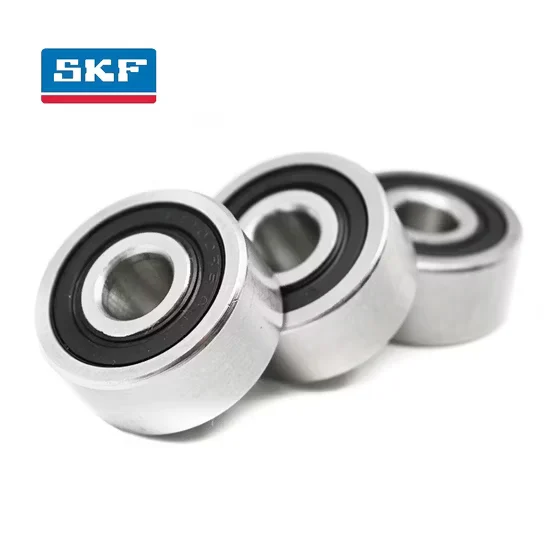
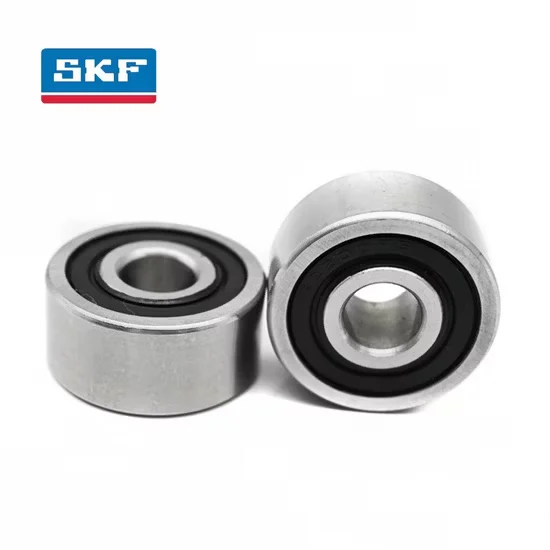
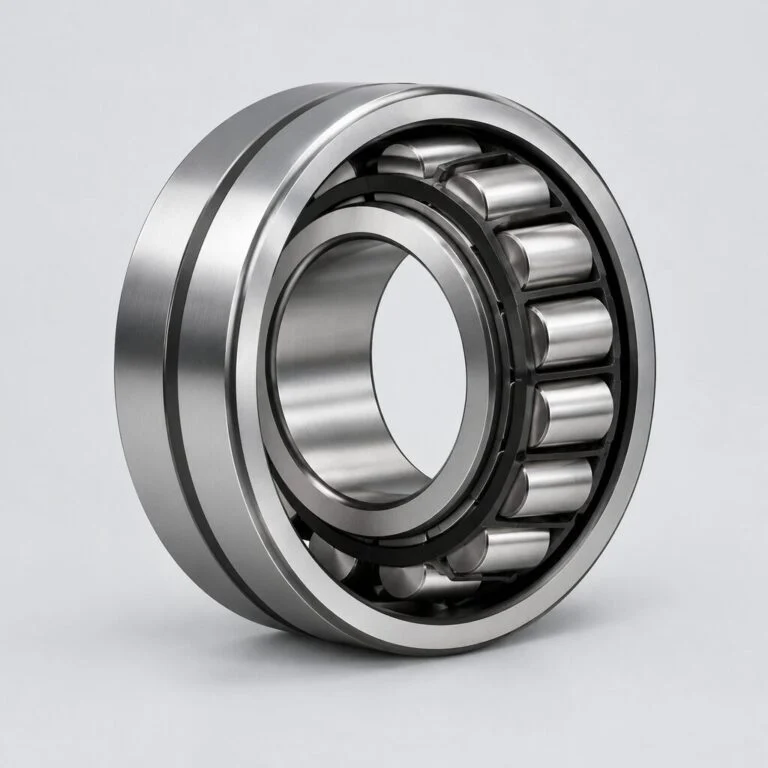
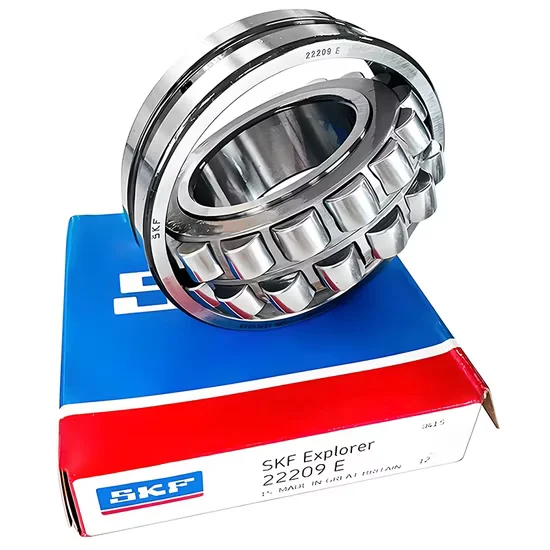
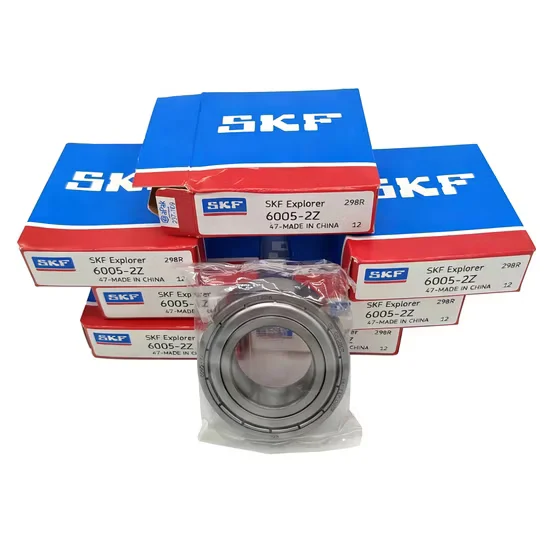
About SKF Deep Groove Ball Bearing 6418 6419 6420 6300 6310 for Lathe
Traceable Original Batches — Every shipment of these deep groove ball bearings includes full manufacturer lot documentation for complete traceability.
Technical Specifications
| Parameter | Value |
|---|---|
| Designation | 6418 6419 6420 6300 6310 |
| Product Type | Deep Groove Ball Bearing |
| Material | Bearing Steel |
| Vibration Class | Z1V1, Z2V2, Z3V3, Z4V4 |
| Seal or Shield Type | ZZ, 2RS, Open |
| Lubrication | Grease or Oil |
| Origin | Shandong Province, China |
Application Suitability
| Industry | Typical Applications |
|---|---|
| Machine Tools | Lathe spindle supports and carriage guide mechanisms |
| Electric Motors | Rotor shaft supports for high-speed induction motors |
| Gearboxes | Input and output shaft radial load supports |
| Pumps | Impeller shaft bearings for centrifugal water pumps |
Why Standard Clearance Fails in High-Speed Lathe Spindles Using the 6418 6419 6420 6300 6310 deep groove ball bearing
Thermal expansion demands specific internal clearance to prevent catastrophic spindle seizure.
When fitting bearings into precision lathe spindles, selecting a standard CN clearance often leads to rapid heat buildup during high-speed operations. The friction generates thermal expansion that eliminates the internal gap, causing the rolling elements to skid and the spindle to lock up entirely. I learned this the hard way early in my career when a client insisted on standard clearance for a numerically controlled lathe, resulting in a completely seized spindle shaft within hours. Sourcing the correct clearance variant is absolutely critical to avoid unplanned downtime, severe equipment damage, and costly scrap parts. Proper thermal management starts with understanding how interference fits reduce internal clearance before the machine even starts.
Matching Vibration Grades to Precision Machining Requirements
Selecting the right vibration class for a 6418 6419 6420 6300 6310 deep groove ball bearing directly impacts the surface finish of machined parts and the acoustic environment of the workshop. For heavy-duty gearboxes and basic conveyors, a standard Z1V1 grade is usually sufficient to handle the loads. However, high-speed lathe spindles and precision electric motors require Z3V3 or Z4V4 grades to minimize chatter marks on the workpiece and reduce harmonic resonance. Our technical team cross-references your specific machining tolerances and acoustic requirements to ensure the supplied vibration grade aligns perfectly with your quality control standards, preventing microscopic surface defects that could lead to rejected production batches.
Managing Contamination and Lubrication in Machine Tool Environments
Machine tool environments constantly expose rotating components to metallic dust, aggressive coolant splashes, and extreme temperature fluctuations. An open bearing requires continuous external oil circulation to manage heat and flush away microscopic debris, which is ideal for high-speed spindles. Conversely, a 2RS sealed variant retains grease and blocks coolant ingress but introduces contact friction that severely limits maximum rotational speed. The ZZ shielded option offers a practical middle ground, providing non-contact protection against larger metallic particles without generating excessive seal friction heat. Choosing the correct seal and lubrication combination prevents premature raceway wear, extends service intervals, and ensures the spindle maintains its geometric accuracy throughout the production cycle.
Decoding Material and Clearance Options for Industrial Machinery
The standard bearing steel construction for the 6418 6419 6420 6300 6310 deep groove ball bearing provides excellent fatigue strength for continuous radial loads in electric motors, pumps, and heavy conveyors. However, the internal clearance class remains the most critical specification for dynamic, high-speed applications. While standard CN clearance suits general-purpose household appliances and slow-turning gearboxes, high-speed lathe spindles and hot-running industrial motors demand C3 or C4 clearance. This extra internal gap accommodates thermal expansion from friction and tight interference fits on the shaft and housing. Selecting the appropriate clearance ensures the rolling elements maintain optimal load distribution under operational temperatures, preventing edge loading, spalling, and the eventual breakdown of the lubricant film that protects the raceways.
The Financial Impact of Incorrect Clearance and Seal Selection
Specifying a standard clearance bearing for a high-speed spindle results in rapid thermal seizure, destroying not only the bearing but also the precision ground shaft journals and housing bores. Similarly, using open bearings in a contaminated pump environment without adequate filtration leads to abrasive wear, drastically reducing the fatigue life and causing sudden pump failure. These misalignments cause catastrophic damage and void equipment warranties, leading to extensive unplanned downtime and expensive component replacements. The hidden costs of incorrect selection always far exceed the initial savings of buying a lower-specification component without proper technical evaluation.
Securing Reliable Supply Chains for Critical Rotating Equipment
Sourcing mixed-size packages for maintenance overhauls often involves coordinating with multiple distributors, but we consolidate varied part numbers into single, well-organized shipments. When replacing lathe spindle bearings, verifying the exact vibration grade and clearance is essential; our traceability documentation confirms these specific parameters before dispatch. We maintain massive spot inventory covering thousands of standard part numbers, ensuring urgent maintenance requirements are met without typical multi-week lead times. Furthermore, our technical selection support helps cross-reference these standard sizes with premium global equivalents when original equipment specifications require validation, ensuring you receive the exact performance characteristics needed for your specific machinery.
Documentation & Authenticity
- Material certificates verifying bearing steel composition and heat treatment batches.
- Dimensional inspection reports confirming running accuracy for high-speed spindle applications.
- Vibration and noise test logs matching the specified Z3V3 or Z4V4 class.
- Original manufacturer lot traceability documents included with every shipment.
Storage, Handling & Mounting
- Store open variants in original packaging to prevent moisture ingress before oil lubrication.
- Use induction heaters for mounting large 6418 and 6419 sizes to avoid shaft damage.
- Keep ZZ shielded bearings sealed until installation to prevent metallic dust contamination.
- Verify C3 clearance with feeler gauges after mounting to ensure no thermal binding occurs.
Preparing Technical Parameters for Accurate Model Selection
To ensure the selected deep groove ball bearing matches your exact operational demands, please provide the radial and axial load profiles, operating speeds, and ambient temperature ranges. Sharing the original equipment manufacturer part numbers allows our engineering team to perform precise cross-reference verification and calculate the expected fatigue life under your specific conditions. This technical review guarantees the recommended clearance class, seal type, and vibration grade will withstand your specific machine tool or motor environment, providing you with a reliable, long-term rotational solution rather than just a replacement part.
Frequently Asked Questions
Q: How do I choose between ZZ, 2RS, and Open seals for lathe spindles?
A: Open bearings are ideal for lathe spindles utilizing continuous oil circulation for cooling and debris flushing. ZZ shields provide non-contact protection against larger particles without limiting high-speed rotation, while 2RS seals offer maximum contamination resistance but introduce friction heat that restricts maximum RPM. The choice depends entirely on your spindle's lubrication system and operating speed.
Q: What do the Z1V1 to Z4V4 vibration codes mean for motor applications?
A: These codes indicate the strictness of vibration and noise limits during manufacturing. Z1V1 is standard for general industrial motors, while Z3V3 and Z4V4 represent highly refined geometries and surface finishes required for precision machinery. Higher grades minimize acoustic noise and prevent vibration transfer that could compromise sensitive machining operations or cause premature motor winding fatigue.
Q: Grease vs. Oil lubrication: which is better for high-speed applications?
A: Oil lubrication is generally superior for high-speed lathe spindles because it effectively dissipates heat and flushes away wear particles. Grease is preferred for sealed electric motors and gearboxes where maintenance-free operation is prioritized, as it stays in place and provides adequate lubrication at moderate speeds. The optimal choice depends on the bearing's limiting speed and the equipment's cooling capabilities.
Q: How to cross-reference these standard sizes with premium global brands?
A: Standard dimensions like the 6300 and 6310 series follow ISO 15 boundary dimensions, making them physically interchangeable with premium global brands. However, internal clearances, cage designs, and vibration grades may vary between manufacturers. Provide your specific operational parameters and OEM part numbers so our technical team can verify exact equivalency and ensure the replacement meets your performance requirements.
Q: What are the maintenance intervals for these bearings in continuous operation?
A: Maintenance intervals depend heavily on the seal type and operating environment. Open and ZZ variants in gearboxes require regular external relubrication based on operating hours and temperature. Pre-greased 2RS sealed bearings in electric motors are typically maintenance-free and replaced when vibration monitoring indicates degradation. Continuous condition monitoring is the most reliable method to determine exact replacement schedules.