Your SAP PM schedule is only as reliable as the physical bearing sitting in your warehouse.
SAP PM maintenance planning fails when system-generated intervals ignore the actual degradation rate of counterfeit or substandard components. To ensure zero unplanned downtime, you must align digital task lists with verified genuine parts that carry full traceability documentation. This alignment prevents the catastrophic mismatch between theoretical maintenance cycles and real-world component fatigue.
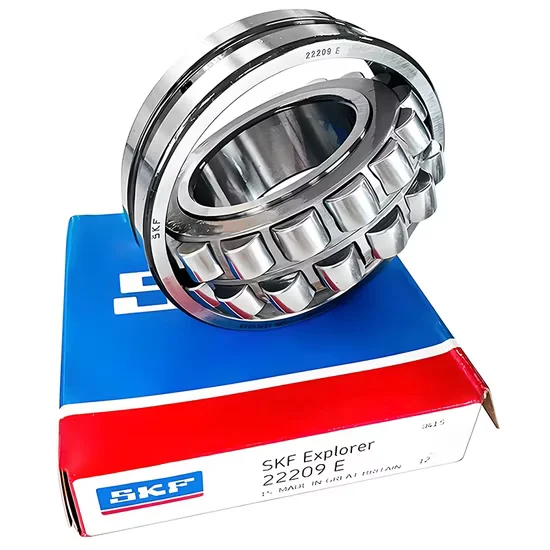
I still remember the silence in a Nigerian cement plant control room. It was not the peaceful quiet of a well-oiled machine, but the heavy, expensive silence of a stopped main drive shaft. The SAP PM system had flagged the maintenance window perfectly. The work order was generated. The technicians were ready. But the spherical roller bearing installed during the previous overhaul had spalled prematurely. It was not a calculation error in the software. It was a procurement error in the supply chain. The cost of that fake bearing was negligible compared to the production penalties incurred by the unexpected stoppage. That day taught me that Maintenance Planning with SAP PM is not just an IT exercise; it is a physical reality check.
This gap between digital planning and physical execution is where most MRO managers lose their budget. You can have the most sophisticated Maintenance Planning with SAP PM module configured, but if the input data assumes a standard lifecycle for a component that is actually counterfeit, the output will always be wrong. As a supplier who has seen countless plants struggle with this exact issue, I know that the solution lies in bridging the gap between your ERP system and your physical inventory through rigorous traceability.
Why Do Perfect SAP PM Plans Still Fail on Site?
System schedules assume ideal conditions; reality delivers variable load and inconsistent part quality.
SAP PM modules calculate maintenance intervals based on manufacturer recommendations and historical data. However, these calculations often fail because they do not account for the variance in component quality entering the store. When a plant purchases bearings without verifying their origin, the actual lifespan deviates significantly from the catalog value.
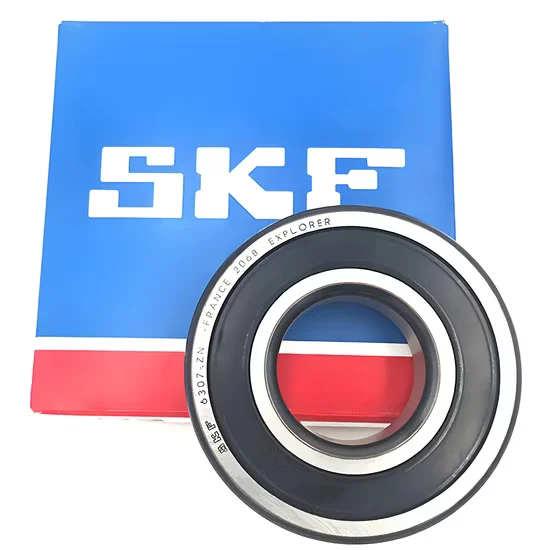
Consider a typical scenario in heavy industry. A procurement team sources a batch of deep-groove ball bearings to save on CAPEX. The savings are immediate and visible in the quarterly report. However, these bearings lack the precise heat treatment and steel purity of genuine brands. Under high load, they degrade faster. The vibration analysis team detects anomalies, but the SAP PM plan does not trigger an early replacement because the "standard" lifecycle has not yet elapsed. The result is a sudden failure.
The root cause is not the software. It is the assumption that all parts labeled with a brand name are identical. In reality, the market is flooded with replicas that look correct but fail under stress. Without a robust verification process, your Maintenance Planning with SAP PM becomes a gamble. You are planning for a ten-year lifespan while installing a component that lasts two years.
To fix this, you must treat incoming goods inspection as a critical data point for your maintenance strategy. If the part is not verified, the maintenance cycle cannot be trusted. This is why integrating a genuine bearings wholesale supplier who provides full traceability is not just a purchasing decision; it is a maintenance strategy. It ensures that the physical asset matches the digital twin in your system.
How to Align SAP PM Cycles with Real Bearing Lifespans?
Integrate real-world vibration data and genuine load ratings into your task lists.
Aligning your digital plans with physical reality requires more than just buying the right part. It requires adjusting your maintenance logic to reflect the actual operating conditions and the verified quality of the components. Standard SAP PM templates often use generic intervals. These must be customized based on the specific performance characteristics of genuine bearings.
Start by reviewing the load ratings of the genuine components you source. Genuine SKF or FAG bearings have precise dynamic load ratings that differ from generic equivalents. Input these verified values into your equipment master data. Then, correlate this with vibration analysis trends. If you are using genuine parts, you can trust the vibration data to predict remaining useful life more accurately. Counterfeit parts introduce noise and unpredictable failure modes that make predictive maintenance unreliable.
For example, a steel mill in the Middle East adjusted its SAP PM task lists after switching to a verified supply chain. They moved from time-based replacements to condition-based triggers for critical crusher bearings. Because they knew the parts were genuine, they could trust the sensor data. The result was a noticeable extension in service life and a reduction in unnecessary teardowns. This shift is only possible when you have confidence in the component’s integrity.
| Factor | Non-Verified Supply Chain | Verified Genuine Supply Chain |
|---|---|---|
| Data Reliability | Low (Unpredictable failure modes) | High (Consistent performance) |
| Maintenance Trigger | Time-based (Rigid) | Condition-based (Flexible) |
| Lifecycle Prediction | Inaccurate | Precise |
| Risk of Early Failure | Vulnerable | Resistant |
This table illustrates why the source of your bearings dictates the effectiveness of your Maintenance Planning with SAP PM. Without verified parts, you are forced to rely on conservative, time-based schedules that may lead to over-maintenance or unexpected failures. With genuine parts, you can optimize your intervals, reducing both downtime and spare parts waste.
What Traceability Checks Prevent Fake Bearings from Entering the Store?
Verify original packaging and mill certificates before SAP goods receipt.
The first line of defense in any Maintenance Planning with SAP PM strategy is the goods receipt process. If a counterfeit bearing enters your inventory, it corrupts your entire maintenance database. You must implement strict traceability checks that go beyond visual inspection.
Start with the packaging. Genuine bearings from brands like NSK, NTN, or TIMKEN come with specific security features. Holograms, unique serial numbers, and high-quality printing are standard. Counterfeiters often miss these details. But packaging alone is not enough. You must demand mill certificates and material test reports. These documents link the physical batch to the manufacturer’s production records.
A common mistake is accepting goods without verifying these documents against the purchase order. In one case, a mining operation in Africa received a shipment that looked perfect. The boxes were correct. The bearings looked right. But the batch numbers did not match the certificates provided by the supplier. Upon closer inspection, the bearings were rebranded rejects. They failed within weeks.
To prevent this, integrate document verification into your SAP workflow. Before posting the goods receipt, ensure that the traceability documents are uploaded and verified. This creates an audit trail that protects your maintenance plans. It also ensures that if a failure does occur, you can trace it back to the source. This level of diligence is what separates a reactive maintenance shop from a proactive one.
Working with a genuine bearings wholesale supplier who understands these requirements is crucial. They should provide complete documentation automatically, not as an afterthought. This seamless flow of information supports your Maintenance Planning with SAP PM by ensuring that every part in your system is accounted for and verified.
How to Source Mixed-Batch Spares for Urgent SAP Overhauls?
Consolidate multi-brand genuine orders to meet tight PM lead times.
Emergency overhauls are the ultimate test of your maintenance planning. When a critical asset fails, you need the right parts immediately. Often, this means sourcing from multiple brands to cover all SKUs. Managing this complexity while ensuring authenticity is challenging.
A fragmented supply chain increases the risk of receiving counterfeit parts. When you rush to buy from multiple local distributors, you lose control over traceability. This is where a consolidated sourcing strategy becomes essential. By working with a single genuine bearings wholesale supplier who stocks multiple premium brands, you can simplify your procurement process.
For instance, a wind farm operator needed to replace bearings in several turbines during a short weather window. They required SKF, FAG, and NSK units. Instead of contacting three different distributors, they placed a single consolidated order. This ensured that all parts were genuine and came with full traceability. The lead time was reduced because the supplier could ship from a central stock. The maintenance team could execute the SAP PM plan without worrying about the authenticity of each individual box.
This approach also helps with MOQ flexibility. You do not need to buy full containers for each brand. A specialized supplier can mix brands and sizes in one shipment, meeting your urgent needs without forcing you to hold excessive inventory. This flexibility is vital for keeping your Maintenance Planning with SAP PM agile and responsive to real-world demands.
Conclusion
Genuine parts are the foundation of reliable maintenance planning.
SAP PM systems are powerful tools, but they cannot compensate for poor-quality inputs. Aligning your digital schedules with verified, traceable bearings ensures that your maintenance plans reflect reality. By prioritizing authenticity and consolidating your sourcing, you protect your operations from the hidden costs of counterfeit components. This is the essence of effective Maintenance Planning with SAP PM.
What to state on your inquiry
A complete inquiry keeps the full model suffix and the specified execution, so the quote matches your parts list.
- Full SKF designationCopy every model suffix exactly as specified.
- Specified executionName any insulated, hybrid ceramic or clearance requirement.
- Motor and bearing positionGive the motor model and the position of each bearing.
- Quantity and deliveryList quantities, destination country, postcode and required date.