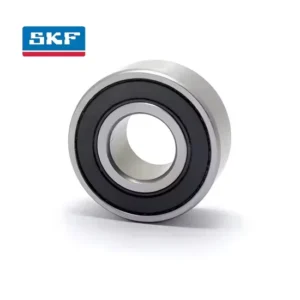
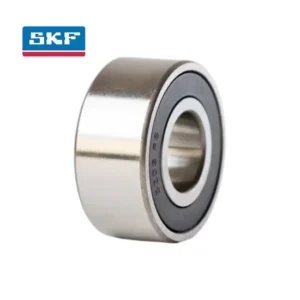
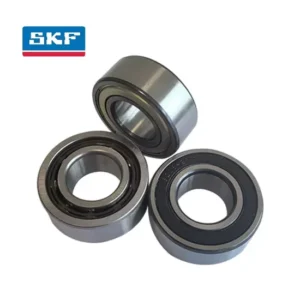
Product details
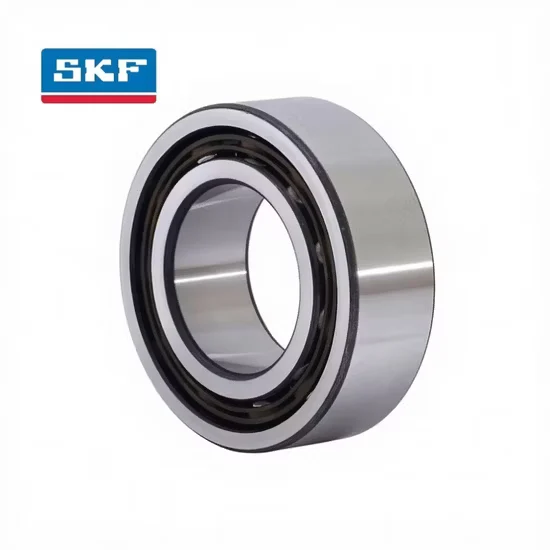
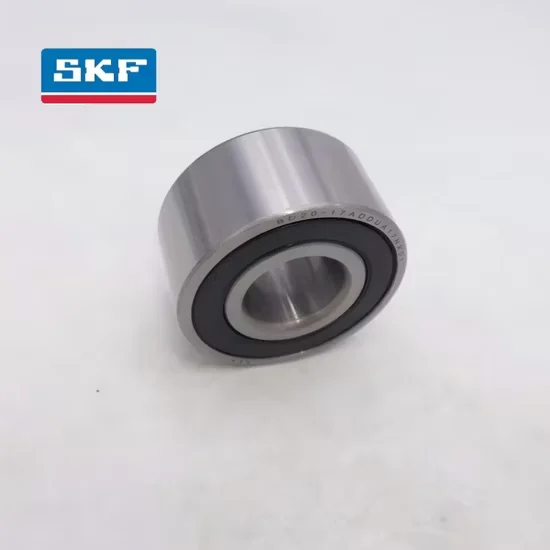
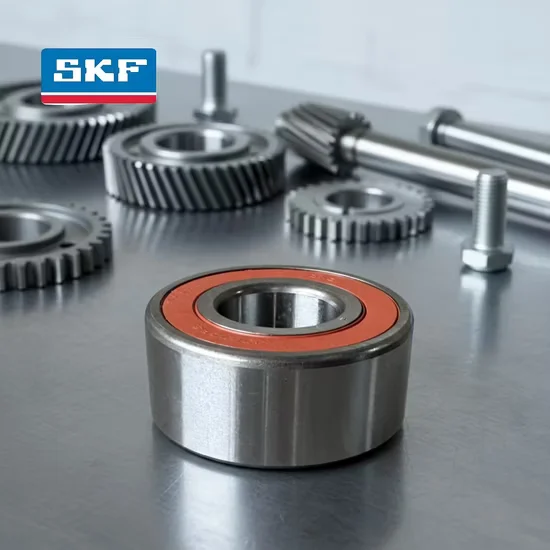
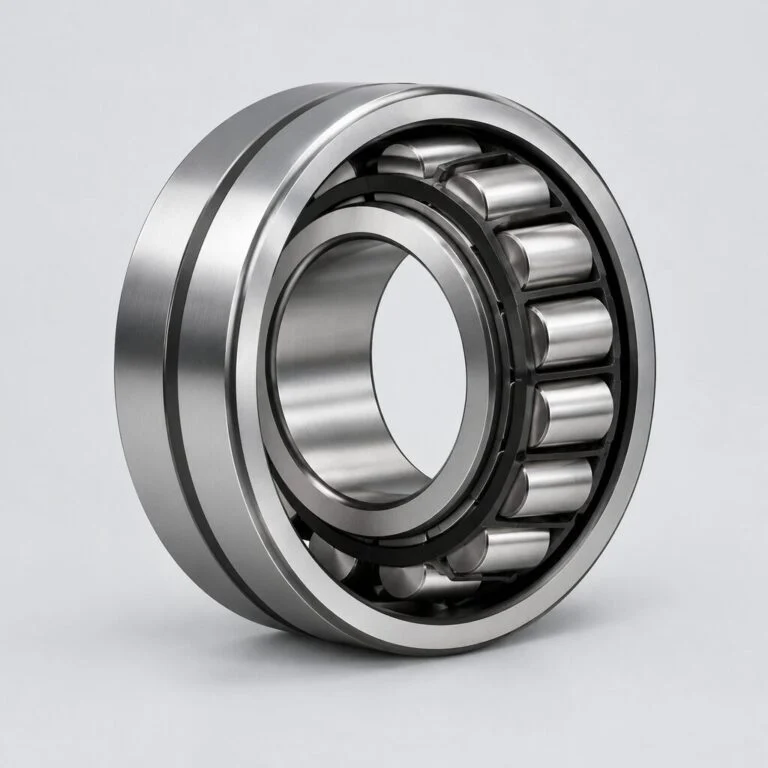
About SKF 3200-a-2z Tn9-Mt33 Double Row Angular Contact Ball Bearing
Authenticity Guaranteed — Every SKF 3200-a-2z Tn9-Mt33 double row angular contact ball bearing ships with an official app QR code for instant verification against counterfeit risks.
Technical Specifications
| Parameter | Value |
|---|---|
| Designation | 3200-a-2z Tn9-Mt33 |
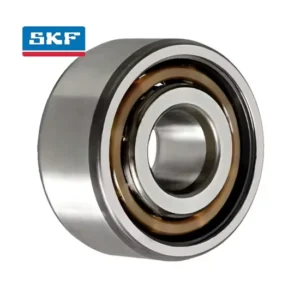
| Bearing Type | Double Row Angular Contact Ball Bearing |
| Bore Diameter (d) | 10 mm |
| Outside Diameter (D) | 30 mm |
| Width (B) | 14 mm |
| Contact Angle | 30° |
| Cage Material | Glass fibre reinforced polyamide (TN9) |
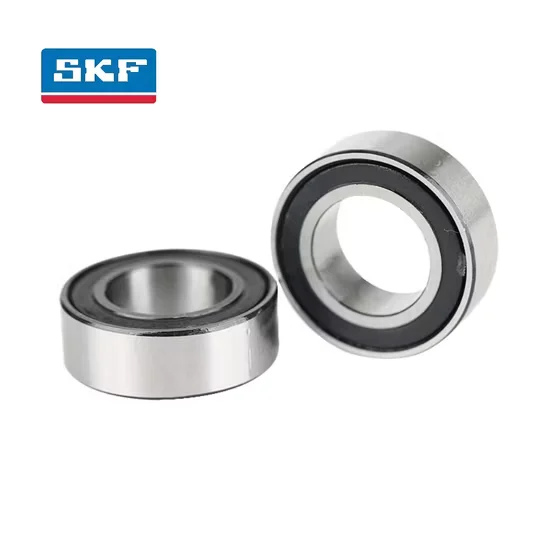
| Seal or Shield Type | Double steel shields (2Z) |
| Precision Class | P0 to P6 available |
| Material | Bearing Steel |
| Arrangement | Non-Aligning, Double Row |
Note: Suffixes 'a' and 'Mt33' are unverified and require manufacturer catalog confirmation for specific internal design or grease fill details.
Application Suitability
| Industry | Typical Applications |
|---|---|
| Machine Tool Manufacturing | High-speed spindle support and precision rotary tables |
| Fluid Handling | High-speed pump impeller shafts and booster assemblies |
| Automation & Robotics | Articulated joint actuators and precision pick-and-place arms |
| General Precision Equipment | Optical scanning mechanisms and indexing drives |
Why Dust Ingress Destroys High-Speed Spindles Before Fatigue Does
Contamination outpaces metal fatigue in sealed environments.
Early in my career servicing timber mill equipment in Vietnam, I watched a standard stamped steel cage shatter within months. The fine wood dust bypassed inadequate seals, grinding the rolling elements until the main spindle seized completely. When sourcing a SKF 3200-a-2z Tn9-Mt33 double row angular contact ball bearing, the primary threat is rarely the radial load; it is the microscopic debris that turns lubricant into an abrasive paste.
Matching the Polyamide Cage to Demanding Rotational Profiles
The integration of a glass fibre reinforced polyamide cage in this SKF 3200-a-2z Tn9-Mt33 double row angular contact ball bearing drastically reduces internal friction. This lightweight cage material maintains dimensional stability under the rapid acceleration cycles typical of machine tool spindles, ensuring the rolling elements stay perfectly spaced without the centrifugal drag associated with heavier brass alternatives.
Managing Particulate Hazards and Thermal Expansion
In environments like woodworking or dry machining, airborne particulates constantly threaten the raceway integrity. The double steel shields provide a non-contact labyrinth barrier that blocks dust ingress while avoiding the friction heat generated by rubber seals. Furthermore, the 30° contact angle effectively manages the combined radial and axial thrust loads encountered during heavy milling operations, while the internal clearance accommodates the thermal expansion of the shaft at elevated operating temperatures.
Decoding the Shield and Cage Configuration
The 2Z shield designation indicates metallic covers pressed into the outer ring recesses, creating a narrow clearance gap with the inner ring shoulder. This non-contact design is critical for high-speed applications where rubber seals would overheat and degrade. The TN9 cage, molded from polyamide reinforced with glass fibres, offers excellent sliding properties against the steel balls and resists the chemical breakdown from standard synthetic lubricants. Together, these features allow the bearing to sustain high rotational velocities while retaining the factory-filled grease for its entire service life, significantly reducing maintenance interventions.
The Hidden Toll of Compromised Sealing and Cage Selection
Selecting an open bearing or a rubber-sealed variant for a high-speed, dusty environment inevitably leads to premature failure. Open designs allow contaminants to score the raceways, while contact seals generate excessive heat at high RPMs, causing the lubricant to bleed out. According to industry failure analysis frameworks, such misapplications result in catastrophic damage to the spindle housing and extensive unplanned downtime, voiding equipment warranties and inflating maintenance budgets far beyond the initial component savings.
Securing Traceable Components for Critical Machinery
We specialize in sourcing genuine bearings with complete documentation, eliminating the risk of counterfeit parts that plague the industrial supply chain. For this specific model, verifying the exact cage material and shield configuration is crucial, as visual similarities often mask inferior internal components. Our procurement channels ensure every unit arrives with original batch traceability, and our technical team provides cross-reference consultation to confirm compatibility with your existing spindle assemblies before dispatch, ensuring absolute operational reliability.
Documentation & Authenticity
- Official app QR code authentication verifying the genuine SKF origin of each unit.
- Original batch traceability documents linking the bearing to the manufacturer's production facilities.
- Material and dimensional inspection reports confirming the 30° contact angle and P-class tolerances.
- Certificate of Conformity detailing the specific grease fill and shield configuration.
Storage, Handling & Mounting
- Retain the original vapor-phase inhibitor packaging until mounting to protect the steel shields from ambient humidity.
- Avoid using compressed air to spin the bearing, as it can force particulates past the 2Z shields and damage the polyamide cage.
- Mount using induction heaters with automated demagnetization to prevent thermal shock to the glass fibre reinforced cage.
- Store horizontally in a temperature-controlled environment to prevent the factory grease from migrating away from the rolling elements.
Engineering Review & Selection Support
To ensure optimal performance, please share your specific spindle operating parameters, including maximum rotational speed, axial thrust loads, and ambient temperature ranges. Providing the original equipment manufacturer part number allows our engineering team to perform a precise cross-reference check and verify the L10 life calculation for your exact application.
Frequently Asked Questions
Q: What does the 2Z suffix indicate for this double row angular contact ball bearing?
A: The 2Z suffix specifies that the bearing is equipped with double steel shields on both sides. These metallic shields create a non-contact labyrinth seal with the inner ring, providing effective protection against dust and debris ingress while minimizing friction, making it ideal for high-speed applications where rubber seals would overheat.
Q: Why is the TN9 polyamide cage preferred over stamped steel in dusty environments?
A: A glass fibre reinforced polyamide cage offers superior wear resistance and operates more quietly than stamped steel. In dusty environments like timber milling, the polymer material resists abrasion from fine particulates that might bypass the shields, preventing the cage fragmentation and spindle seizure issues commonly seen with inferior steel cages.
Q: How can I verify the authenticity of the SKF 3200-a-2z Tn9-Mt33 double row angular contact ball bearing?
A: Authenticity is verified through the official manufacturer app using the QR code printed on the product packaging. This digital check confirms the bearing's origin, batch number, and specifications, ensuring you receive a genuine component with full traceability rather than a potentially dangerous counterfeit.
Q: How should I interpret non-standard alphanumeric additions to the designation?
A: While primary suffixes define shields and cage materials, certain specialized additions require direct manufacturer catalog confirmation. These typically indicate unique internal geometry modifications, specific contact angle variations, or specialized factory grease fills that are not detailed in general public engineering tables.
Q: Can this shielded bearing be relubricated during maintenance?
A: No, bearings with double steel shields are designed as sealed-for-life components. The shields prevent the escape of the factory-filled grease and block external contaminants. Attempting to force new grease into the bearing can rupture the shields or damage the polyamide cage, so replacement is the recommended maintenance protocol.