Product details
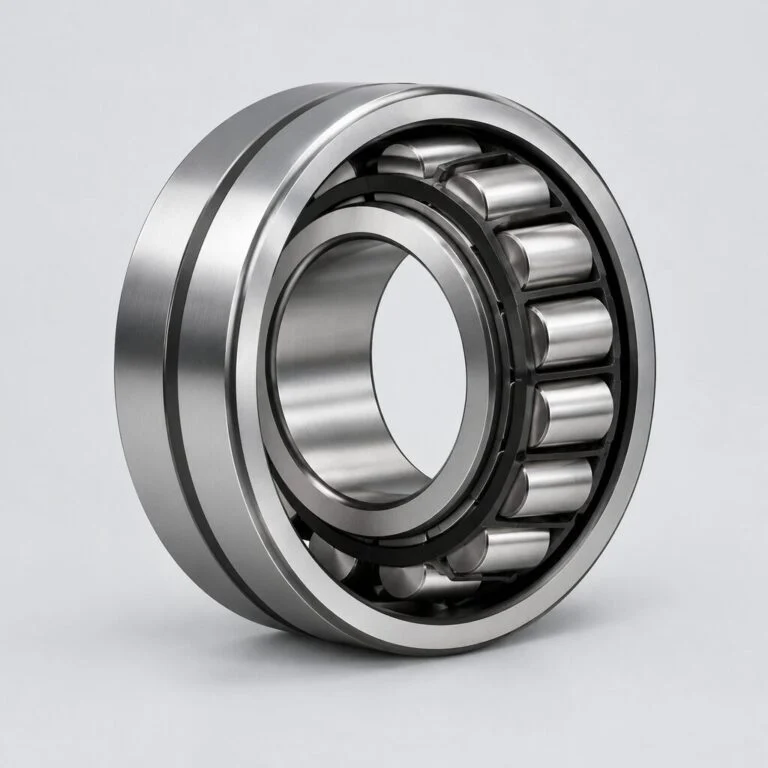
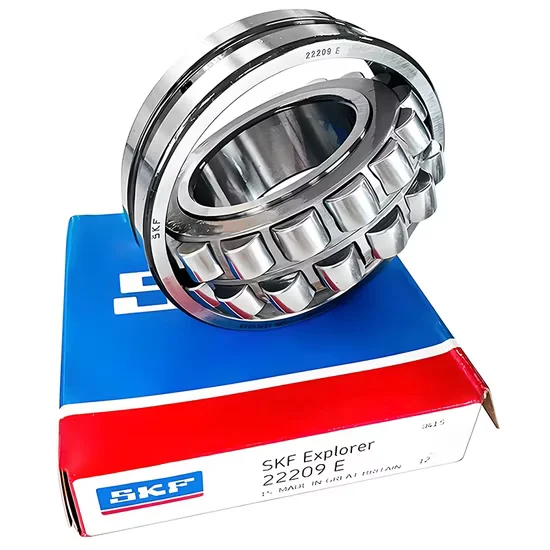
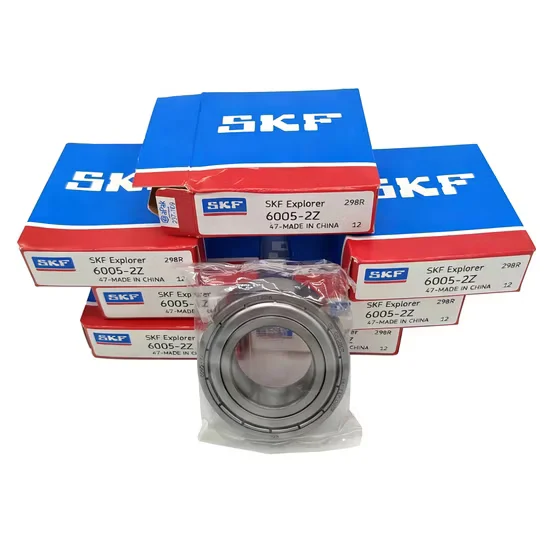
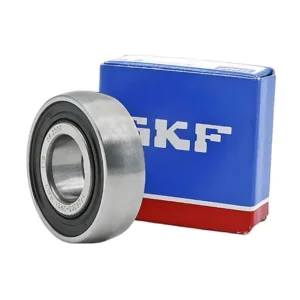
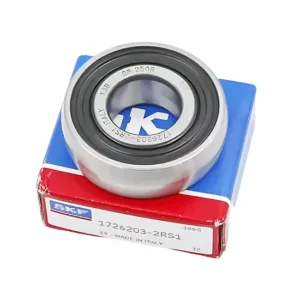
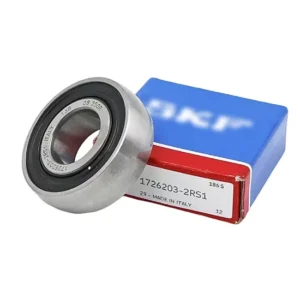
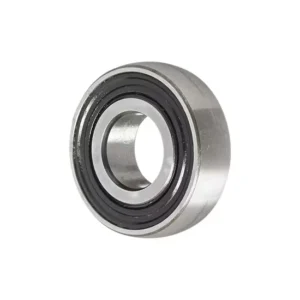
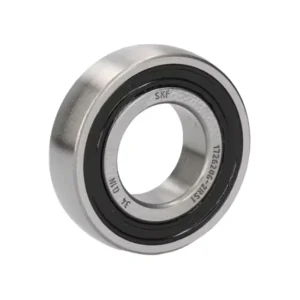
About SKF 1726203-2RS1 Insert Bearing 17x40x12mm Deep Groove Ball Bearing
Unified Sourcing Network — Consolidate mixed-brand MRO orders into single shipments without juggling multiple regional distributors.
Technical Specifications
| Parameter | Value |
|---|---|
| Designation | SKF 1726203-2RS1 |
| Bearing Type | Insert Bearing |
| Bore Diameter (d) | 17 mm |
| Outside Diameter (D) | 40 mm |
| Width (B) | 12 mm |
| Seal or Shield Type | 2RS1 |
| Raceway | Deep Groove |
| Load Direction | Radial |
| Material | Bearing Steel |
Note: The prefix 1726203 is an unverified suffix requiring manufacturer catalog confirmation.
Application Suitability
| Industry | Typical Applications |
|---|---|
| Agricultural Machinery | Combine harvester sieve shakers and grain auger drive shafts |
| Conveyor Systems | Belt return idler pulleys and light-duty sorting line rollers |
| Textile Machines | Yarn guide tensioners and spindle drive pulleys |
| General Manufacturing | MRO replacement for light radial load transfer stations |
Why Dust Ingress Destroys Conveyor Idlers Before the Steel Fatigues
Seal failure accounts for the vast majority of premature insert bearing seizures in heavy-duty environments.
When agricultural dust, textile lint, or mining particulate breaches a standard metallic shield, it rapidly mixes with ambient moisture to form a highly abrasive paste that grinds away the raceway finish. Relying on basic iron shields in these demanding environments inevitably leads to catastrophic friction spikes, excessive heat generation, and unplanned line stoppages that halt entire production shifts. Selecting the correct SKF 1726203-2RS1 insert bearing with proper elastomeric sealing prevents this microscopic abrasion from escalating into structural failure, ensuring continuous operation even when external contamination is unavoidable. Maintaining the correct internal clearance is equally vital, as thermal expansion from friction can cause the bearing to seize if the initial fit is too tight.
Matching Elastomeric Seals to High-Contamination Environments
The double contact seal design effectively blocks particulate ingress while securely retaining the factory-charged lubrication inside the raceway cavity. For maintenance teams managing agricultural harvesting equipment or textile processing lines, this sealed configuration eliminates the need for frequent relubrication in hard-to-reach or hazardous locations. Our engineering team routinely cross-references OEM housing tolerances to ensure the outer ring seats perfectly without binding the seal lips, which is a common issue when generic replacements are forced into precision-machined blocks. This precise matching process guarantees that the sealing geometry remains intact under dynamic operating conditions.
Managing Radial Loads and Moisture Exposure in Field Operations
Equipment operating in open fields, washdown areas, or humid processing plants faces the combined threats of shock loading and persistent moisture exposure. Standard non-contact shields allow microscopic moisture to condense inside the raceway during nightly temperature fluctuations, rapidly accelerating internal corrosion and pitting. A contact seal generates slightly higher friction but provides the absolutely necessary physical barrier against liquid water, fine silt, and corrosive cleaning agents. Proper alignment during the initial installation is critical, as even minor misalignment causes uneven lip wear and severely compromises the sealing integrity over the operational lifespan.
Decoding the Raceway Geometry and Sealing Configuration
The deep groove raceway geometry of the SKF 1726203-2RS1 insert bearing is specifically optimized to handle pure radial loads with minimal friction, making it ideal for high-speed idler applications and continuous transfer lines. The 2RS1 suffix indicates nitrile rubber contact seals that are securely pressed into the outer ring, providing a tight, continuous wipe against the inner ring shoulder during rotation. Unlike open or shielded variants, this specific configuration traps the initial grease fill and aggressively excludes external contaminants from reaching the rolling elements. Furthermore, the non-aligning outer ring requires precise housing machining to prevent edge loading on the balls, ensuring the load is distributed evenly across the entire raceway contact area.
The Operational Toll of Compromised Sealing Integrity
Specifying a cheaper shielded alternative to save on initial procurement costs inevitably triggers cascading maintenance expenses and severe operational disruptions. Once abrasive particles infiltrate the rolling elements, the resulting surface spalling generates excessive vibration that quickly damages adjacent shaft components, couplings, and drive motors. This unplanned downtime disrupts tight production schedules, incurs massive overtime labor costs, and frequently voids original equipment warranties. Adhering to ISO 281 life calculation principles requires factoring in the specific contamination level of the environment, which drops drastically when the wrong seal type is deployed in a dirty facility.
Securing Traceable Inventory for Critical MRO Replacements
Sourcing genuine components prevents the premature failures universally associated with counterfeit metallurgy, undersized rolling elements, and substandard heat treatment. We maintain deep spot inventory of these specific SKF 1726203-2RS1 insert bearing configurations, effectively eliminating the typical multi-week lead times that stall critical maintenance schedules and idle expensive machinery. Our technical desk carefully verifies the exact outer ring profile to ensure absolute compatibility with your existing pillow block housings before the parts leave our warehouse. Every single shipment includes full batch traceability documentation, protecting your operation from the hidden mechanical risks and financial liabilities of grey-market substitutions. Through our consolidated supply chain, maintenance managers can optimize their procurement processes and reduce the administrative burden of managing multiple regional vendors.
Documentation & Authenticity Records
- Certificate of Conformity verifying the original manufacturing batch for this specific sealed configuration.
- Official app QR code validation confirming the nitrile seal specifications match the physical component.
- Dimensional inspection report confirming the 40 mm outer diameter tolerances before dispatch.
- Material certification validating the bearing steel composition and heat treatment standards.
Preservation and Installation Protocols
- Retain the factory wrapping until mounting to prevent ambient humidity from degrading the 2RS1 rubber lips.
- Use induction heating for the housing rather than the inner ring to avoid damaging the nitrile contact seals.
- Avoid using carbon steel tools near the exposed outer ring to prevent cross-contamination and localized corrosion.
- Verify the non-aligning housing bore is machined to the correct tolerance to prevent outer ring distortion.
Engineering Data Required for Technical Validation
To definitively confirm this configuration suits your specific application, please provide the exact radial loads, operating speeds, and ambient temperature ranges experienced during peak production. Sharing the OEM equipment model numbers allows our technical team to perform precise cross-reference checks against legacy part numbers and identify any superseded designs. Detailing the exact housing bore dimensions ensures the non-aligning outer ring will seat correctly without inducing internal clearance loss or distorting the raceway geometry. This collaborative data exchange ensures you receive a component that perfectly matches your mechanical and environmental requirements.
Frequently Asked Questions
Q: How can I verify the authenticity of the SKF 1726203-2RS1 insert bearing using official tools?
A: You can authenticate the component by scanning the QR code on the packaging using the manufacturer's official mobile application. This digital verification confirms the production batch, the 2RS1 seal specification, and the original manufacturing facility. We also provide a physical Certificate of Conformity with every shipment to support your internal quality audits and traceability requirements.
Q: What are the practical differences between 2RS1, 2Z, and open seal types for these applications?
A: The 2RS1 designation features nitrile rubber contact seals that physically wipe the inner ring, offering superior protection against dust and moisture compared to non-contact 2Z metal shields. Open bearings require external housing seals and continuous relubrication. For agricultural or conveyor environments where contamination is high, the contact seal prevents abrasive ingress that would rapidly destroy an open or shielded alternative.
Q: How do I select the correct precision class for light-duty conveyor applications?
A: Standard precision classes are generally sufficient for light-duty conveyor idlers and agricultural augers where rotational speeds and radial loads remain moderate. Higher precision grades are typically reserved for machine tool spindles or high-speed textile spindles requiring strict vibration limits. Our engineering team reviews your specific speed and load parameters to recommend the most cost-effective tolerance class without over-specifying the component.
Q: What are the recommended maintenance intervals for grease-lubricated sealed insert bearings?
A: Bearings equipped with 2RS1 contact seals are pre-lubricated at the factory and designed to be maintenance-free for their calculated service life under normal conditions. Attempting to relubricate them can over-pressurize the cavity and blow out the rubber sealing lips, allowing contaminants to enter. If the operating environment involves extreme temperatures or heavy shock loads, we recommend calculating a revised replacement schedule rather than forcing grease into the sealed unit.
Q: How should I properly install non-aligning insert bearings in standard pillow block housings?
A: Non-aligning outer rings require the housing bore to be machined precisely to avoid distorting the ring during press-fitting, which restricts internal clearance. Ensure the shaft and housing are perfectly aligned before assembly, as the bearing cannot compensate for angular misalignment. Use a proper drift tube to apply mounting force exclusively to the ring being press-fitted, preventing damage to the raceway or the rubber contact seals.