Fixed prices do not guarantee supply security; they often invite disruption.
For a wholesale bearing supplier targeting the German market, embedding material index and currency fluctuation clauses into long-term contracts is not a concession but a necessity for maintaining delivery reliability. This approach protects both buyers and suppliers from market volatility, ensuring that production schedules remain intact even when raw material costs or exchange rates shift dramatically.
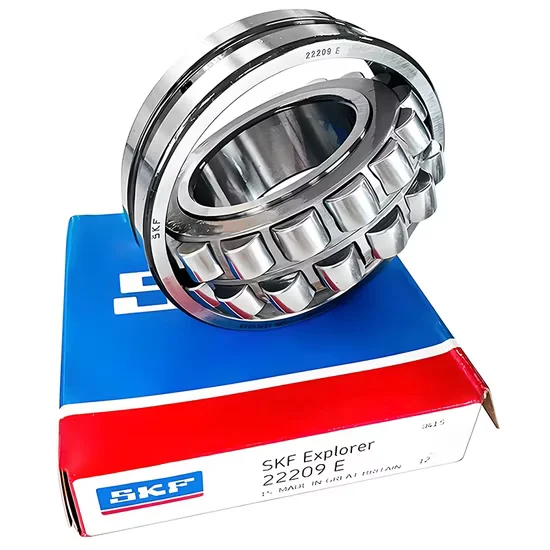
I still remember the silence in my office during a particularly tense quarter. I had signed an annual contract for spherical roller bearings with a German client, locking in a fixed price to secure the deal. At the time, it felt like a victory. Then, the steel index surged for three consecutive months. My margins evaporated into single-digit losses, yet the client continued to press for on-time delivery based on the original agreement. I had no contractual lever to pull, no mechanism to share the burden of rising input costs. I shipped the order at a loss, wiping out the year’s profit from that account. That experience reshaped how I view procurement stability. Now, every long-term agreement I negotiate includes clear adjustment mechanisms. It is not about avoiding responsibility; it is about ensuring that the supply chain remains resilient enough to meet commitments when external pressures mount.
This shift in perspective aligns with how sophisticated German procurement teams operate. They prioritize consistent availability over nominal price stability. When costs spike unexpectedly, a supplier without adjustment clauses may face cash flow constraints that delay production or force quality compromises. By contrast, a contract with fair adjustment terms ensures that the manufacturer can continue sourcing high-quality materials without interruption. For a wholesale bearing supplier, this means being able to honor lead times even during periods of economic uncertainty.
Why Do German Buyers Accept Price Adjustment Clauses?
German procurement prioritizes supply security over nominal price stability.
It is a common misconception that fixed prices are always preferred by buyers because they simplify budgeting. In reality, experienced purchasing managers in Germany understand that rigid pricing can lead to supply chain fragility. When a supplier operates on thin margins due to fixed pricing, any unexpected cost increase threatens their ability to deliver. This risk is unacceptable for critical industrial components like bearings, where downtime costs far exceed the price of the part itself.
A European wind farm operator once shared how a fixed-price contract led to significant delays during a period of raw material scarcity. The supplier, unable to absorb the increased costs, deprioritized the order in favor of more profitable spot markets. The result was a multi-month delay in maintenance operations, costing the operator significantly more than any potential savings from the initial fixed price. Had there been a price adjustment clause, the supplier would have remained financially viable and maintained delivery priority.
For a wholesale bearing supplier, presenting these clauses as mutual risk-management tools is key. It demonstrates a commitment to long-term partnership rather than short-term gain. German buyers value transparency and reliability. By offering a mechanism that adjusts prices based on verifiable indices, you signal that you are prepared to weather market storms together. This builds trust and positions your company as a stable partner capable of supporting their operational continuity.
The acceptance of these clauses also stems from a broader understanding of market dynamics. German industry standards emphasize fairness and sustainability in business relationships. A contract that allows for adjustments reflects a realistic view of global trade, where factors like energy costs, labor rates, and material availability are constantly in flux. For a wholesale bearing supplier, aligning with this mindset facilitates smoother negotiations and stronger long-term contracts.
How to Calculate the Adjustment Formula?
Use verifiable indices for raw materials and official rates for currency to ensure transparency.
The credibility of a price adjustment clause depends entirely on the objectivity of its underlying data. Subjective assessments or internal cost sheets are not acceptable to German buyers. Instead, the formula must link the base price to publicly available, authoritative sources. For bearings, the primary driver is often the cost of steel. Using official metal exchange indices provides a neutral benchmark that both parties can verify independently.
Currency fluctuation is another critical factor, especially for transactions involving the Euro and US Dollar. Exchange rates can swing by double-digit percentages over the course of a year, impacting profitability significantly. Locking in a fixed exchange rate exposes one party to undue risk. A better approach is to reference central bank rates or recognized financial indices at defined intervals. This ensures that neither party bears the full brunt of currency volatility.
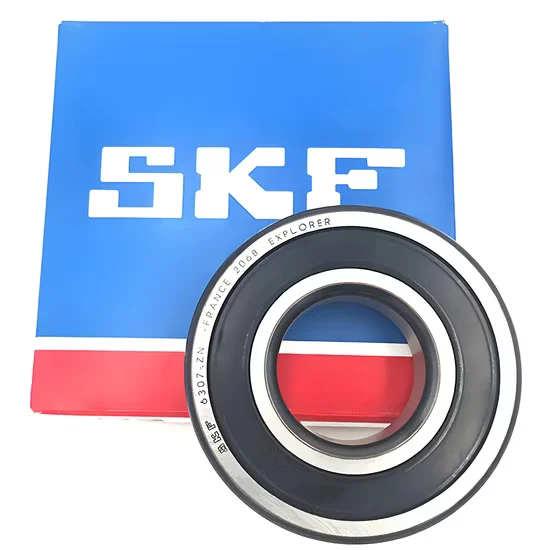
Consider a scenario involving deep-groove ball bearings for an automotive OEM. If the Euro strengthens against the Dollar, the supplier’s revenue in local currency decreases unless adjusted. By tying the price to a specific exchange rate threshold, the contract automatically compensates for this shift. This prevents payment delays or disputes that often arise when one party feels disadvantaged by currency movements. For a wholesale bearing supplier, this clarity reduces administrative friction and maintains healthy cash flow.
Transparency is paramount. The formula should be simple enough for non-financial stakeholders to understand. Complex derivations or opaque calculations raise suspicion and hinder agreement. A straightforward percentage change based on published indices is usually sufficient. This approach also simplifies auditing and compliance, which is crucial for large industrial clients who must adhere to strict internal controls. For a wholesale bearing supplier, adopting such clear methodologies enhances professional reputation and facilitates faster contract approvals.
What Are the Key Trigger Thresholds?
Set reasonable fluctuation bands to avoid frequent micro-adjustments.
Defining when an adjustment occurs is as important as how it is calculated. Frequent small changes create administrative burdens and can strain buyer-supplier relationships. Therefore, establishing a trigger threshold is essential. A common practice is to set a band, such as plus or minus five percent, within which prices remain unchanged. Only when the cumulative change in the underlying index exceeds this band does an adjustment take effect.
This approach balances responsiveness with stability. It prevents the contract from becoming overly sensitive to minor market noise while ensuring that significant shifts are addressed. For example, if the steel index rises by three percent, no adjustment is made. But if it rises by seven percent, the price is adjusted to reflect the excess beyond the five percent threshold. This method protects both parties from excessive volatility while maintaining fairness.
In a mixed-brand MRO package scenario, raw material costs spiked mid-contract. Without a trigger threshold, the supplier might have sought renegotiation immediately, causing uncertainty. With a predefined band, both parties knew that only substantial deviations would trigger a change. This allowed the supplier to maintain delivery lead times without constant contractual reviews. For a wholesale bearing supplier, this predictability supports efficient planning and inventory management.
The choice of threshold should reflect the volatility of the specific market segment. Highly volatile commodities may warrant wider bands, while stable materials might allow for narrower ones. Consulting historical data helps in setting realistic expectations. German buyers appreciate this data-driven approach, as it demonstrates diligence and respect for their operational needs. For a wholesale bearing supplier, tailoring thresholds to specific product lines shows expertise and attention to detail.
How to Negotiate These Clauses Successfully?
Frame it as a mutual risk-management tool to ensure on-time delivery.
Negotiating price adjustment clauses requires a shift in narrative. Instead of presenting them as a way to protect your margins, position them as a means to guarantee supply security. Emphasize that these clauses enable you to maintain high-quality standards and consistent delivery schedules, even in turbulent markets. This aligns with the buyer’s primary concern: keeping their operations running smoothly.
Start the conversation early in the procurement process. Introduce the concept as part of a broader strategy for long-term partnership. Explain how fixed prices can lead to hidden risks, such as delayed shipments or compromised quality, when suppliers face unexpected cost pressures. By contrast, adjustable prices ensure that the supplier remains financially healthy and capable of meeting commitments. This perspective resonates with experienced procurement professionals who understand the complexities of global supply chains.
During negotiations, be prepared to discuss the specific indices and thresholds you propose. Show willingness to collaborate on selecting benchmarks that both parties trust. This collaborative approach builds rapport and reduces resistance. For a wholesale bearing supplier, offering technical support and flexible sourcing options alongside these clauses reinforces your value proposition. It shows that you are not just selling products but providing comprehensive solutions that address their broader operational challenges.
Finally, document the agreement clearly. Ambiguity leads to disputes. Ensure that the contract specifies the exact indices, calculation methods, trigger thresholds, and adjustment frequencies. This clarity protects both parties and facilitates smooth implementation. For a wholesale bearing supplier, well-documented clauses reduce legal risks and enhance professional credibility. It signals that you operate with integrity and precision, qualities highly valued in the German market.
Conclusion
Fair contracts build resilient supply chains.
Embedding price adjustment clauses is not about shifting risk but sharing it responsibly. For a wholesale bearing supplier, this approach ensures long-term viability and consistent service quality. By using verifiable indices and reasonable thresholds, you create transparent agreements that benefit both parties. This fosters trust and supports stable, productive partnerships in the global bearing market.
What to state on your inquiry
A complete inquiry keeps the full model suffix and the specified execution, so the quote matches your parts list.
- Full SKF designationCopy every model suffix exactly as specified.
- Specified executionName any insulated, hybrid ceramic or clearance requirement.
- Motor and bearing positionGive the motor model and the position of each bearing.
- Quantity and deliveryList quantities, destination country, postcode and required date.