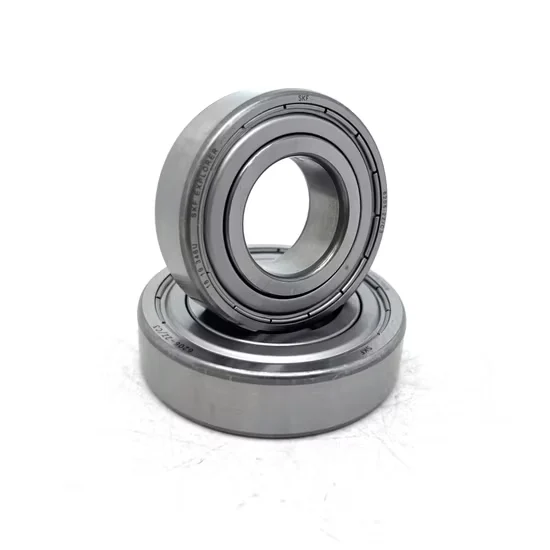
Standard industrial bearings are not sufficient for hydrogen electrolyzer pumps.
Selecting genuine, traceable spherical roller bearings with full material certification is the only way to prevent catastrophic pump seizure in high-temperature, high-salinity hydrogen production environments.
The smell of burnt lubricant and seized metal is distinct. I remember it clearly from a project in Riyadh, where a green hydrogen plant rushed to meet a commissioning deadline. To cut costs and lead times, the site team replaced the original equipment manufacturer specifications for the electrolyzer circulation pumps with unverified, low-cost alternatives. The logic was simple: a bearing is a bearing. Within three months, under the relentless combination of high heat and saline mist, the pumps began to fail. One by one, they seized. The entire production line halted. I flew out to assess the damage, bringing the failed components back for analysis. The root cause was not just poor quality, but a fundamental mismatch in material traceability. Hydrogen environments demand strict verification to prevent embrittlement and sudden failure. We resolved the crisis by emergency supplying traceable spherical roller bearings that met the exact OEM specifications. That incident reinforced a hard lesson: in critical hydrogen applications, a missing material certificate is not a paperwork error; it is a production stoppage waiting to happen.
For MRO operators and OEMs managing green hydrogen projects, the search for a reliable Genuine Bearings for Hydrogen Electrolyzer Pumps Wholesale Supplier is driven by the need to avoid these exact scenarios. The cost of a single unplanned downtime event far exceeds the savings from cheaper, non-traceable parts.
Why Do Bearings Fail in Hydrogen Electrolyzer Pumps?
Hydrogen environments create unique stressors that standard industrial bearings cannot withstand without specific material controls.
Most engineers assume that if a bearing handles the load and speed, it will work. This is a dangerous misconception in hydrogen production. The operating conditions inside an electrolyzer system are harsh. High temperatures accelerate lubricant degradation, while high salinity in coastal or specific process environments promotes rapid corrosion. More critically, hydrogen atoms are small enough to permeate metal structures, leading to hydrogen embrittlement. This phenomenon reduces the ductility and load-bearing capacity of steel, making it prone to sudden, catastrophic cracking under stress.
When non-genuine or mismatched bearings are used, the lack of controlled material composition means the steel may have higher inclusion densities or inconsistent hardness. These micro-defects become initiation points for cracks when exposed to hydrogen. In the Riyadh case, the failed bearings showed signs of surface spalling and deep subsurface cracking consistent with embrittlement and inadequate heat treatment. Standard commercial bearings often lack the rigorous vacuum degassing and cleanliness standards required for such sensitive applications.
Furthermore, the continuous cycling of electrolyzer pumps places significant dynamic loads on the bearings. If the internal geometry is not precise, or if the cage material is not compatible with the operating temperature, fatigue sets in quickly. A Genuine Bearings for Hydrogen Electrolyzer Pumps Wholesale Supplier understands that the failure mode is rarely just wear; it is often a complex interaction of chemical attack, thermal stress, and mechanical fatigue. Without genuine parts backed by full traceability, operators are essentially gambling with their production uptime.
How to Select the Right Bearing for Hydrogen Pumps?
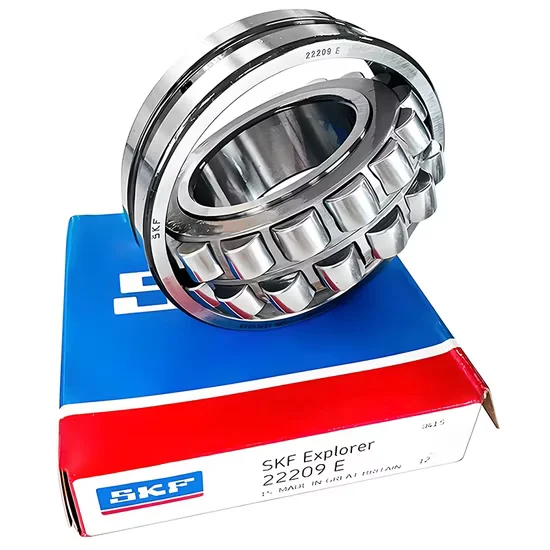
Spherical roller bearings offer the necessary self-alignment and load capacity to handle the misalignment and heavy loads typical in electrolyzer pump systems.
Choosing the right bearing type is as critical as choosing the right brand. Electrolyzer pumps often operate under conditions where shaft deflection or housing misalignment can occur due to thermal expansion or installation tolerances. Spherical roller bearings are designed to accommodate angular misalignment while supporting heavy radial and axial loads. This makes them ideal for the robust performance required in hydrogen production facilities.
When selecting these bearings, focus on the following qualitative attributes rather than just basic dimensions:
| Attribute | Standard Industrial Bearing | Heavy-Duty Hydrogen Spec Bearing |
|---|---|---|
| Material Traceability | Basic or None | Full Batch-Level Verifiable |
| Steel Cleanliness | Uncontrolled | Controlled Low Inclusion Density |
| Cage Material | Standard Steel/Brass | High-Strength Machined Brass or Polymer |
| Sealing Integrity | Standard | Enhanced Corrosion Resistance |
| Certification | General COA | Full Material Certificate with Heat Number |
A European wind farm operator once faced similar challenges when retrofitting their backup power systems, which included hydrogen fuel cells. They upgraded from standard cylindrical bearings to heavy-duty spherical roller variants to handle the continuous cycling and strict material certification requirements. The result was a noticeable extension in service life and a significant reduction in maintenance frequency.
For buyers sourcing from a Genuine Bearings for Hydrogen Electrolyzer Pumps Wholesale Supplier, it is essential to verify that the supplier can provide technical consultation on model selection. Not all spherical roller bearings are created equal. Some are designed for light loads, while others are built for extreme conditions. The supplier must be able to guide you toward the specific series that matches the OEM’s original design intent, ensuring compatibility with the hydrogen environment.
What Documentation is Required for Critical Hydrogen Applications?
Material certificates and full traceability are non-negotiable for safety and compliance in hydrogen energy projects.
In many industries, a certificate of analysis is a formality. In hydrogen production, it is a lifeline. The documentation must prove that the bearing steel was produced under controlled conditions, with verified chemical composition and mechanical properties. This includes the heat number, which links the physical bearing back to the specific batch of steel produced at the mill. Without this link, there is no way to verify if the material meets the stringent requirements for hydrogen resistance.
A common pitfall for MRO teams is accepting generic certificates that do not specify the heat number or the manufacturing date. These documents offer no real assurance. A genuine Genuine Bearings for Hydrogen Electrolyzer Pumps Wholesale Supplier will provide full traceability documentation for every unit shipped. This includes:
- Original Manufacturer Certificates: Proof of authenticity from brands like SKF, FAG, or NSK.
- Material Test Reports: Detailed chemical and physical property data linked to the specific heat number.
- Country of Origin Documentation: Essential for customs and compliance with local content rules in various regions.
During an emergency maintenance window at a large-scale electrolysis facility, the MRO team needed to replace several mixed-brand bearings quickly. Because they sourced from a supplier who maintained complete digital records of traceability, they were able to consolidate the order and receive all necessary documentation within days. This allowed them to pass the client’s rigorous quality inspection without delay, minimizing production line stoppage. In contrast, sourcing from unauthorized distributors often results in missing or forged documents, leading to rejected shipments and extended downtime.
How to Source Genuine Bearings Globally?
Consolidated sourcing from verified suppliers ensures authenticity, fast delivery, and risk mitigation for global projects.
Finding a single source for all your bearing needs is challenging, especially when dealing with multiple international brands. A reliable Genuine Bearings for Hydrogen Electrolyzer Pumps Wholesale Supplier acts as a consolidation hub, providing genuine products from mainstream brands such as SKF, FAG, INA, NSK, NTN, TIMKEN, KOYO, NACHI, and IKO. This approach simplifies logistics and reduces the risk of encountering counterfeit goods, which are prevalent in the global bearing market.
For regional distributors and wholesalers in the Middle East, Africa, Latin America, Southeast Asia, and Central Asia, the ability to mix brands and sizes in a single container load is a significant advantage. It allows for better inventory management and cost efficiency. Instead of placing separate orders with multiple official channels, buyers can consolidate their procurement through a trusted wholesale supplier who offers competitive pricing and flexible MOQs.
Consider the case of a mining operation in South America that needed urgent spare parts for their heavy equipment. By working with a global supplier who had massive spot inventory, they were able to secure a mixed-brand package that included both premium international brands and reliable domestic lines for less critical applications. The supplier handled the inspection, documentation, and global shipping consolidation, ensuring that the parts arrived on time and in perfect condition. This level of service is crucial for MRO clients who cannot afford delays.
Moreover, a professional supplier provides more than just products. They offer technical support for failure analysis and application guidance. If a bearing fails prematurely, the supplier can assist in analyzing the root cause, helping to prevent future occurrences. This long-term partnership value is what distinguishes a true wholesale partner from a simple transactional vendor.
Conclusion
Authenticity and traceability are the foundations of reliability in hydrogen electrolyzer operations.
Selecting the right bearings for hydrogen electrolyzer pumps requires more than just matching part numbers. It demands a deep understanding of the harsh operating environment, the specific material requirements to prevent embrittlement, and the absolute necessity of full documentation. By partnering with a reputable Genuine Bearings for Hydrogen Electrolyzer Pumps Wholesale Supplier, operators and OEMs can ensure they receive genuine, traceable products that meet the highest industry standards. This proactive approach minimizes the risk of unplanned downtime, protects capital investment, and ensures the safe, continuous production of green hydrogen.
What to state on your inquiry
A complete inquiry keeps the full model suffix and the specified execution, so the quote matches your parts list.
- Full SKF designationCopy every model suffix exactly as specified.
- Specified executionName any insulated, hybrid ceramic or clearance requirement.
- Motor and bearing positionGive the motor model and the position of each bearing.
- Quantity and deliveryList quantities, destination country, postcode and required date.