Returns in the DACH market rarely fail due to bearing quality; they fail due to paperwork gaps.
For distributors and OEMs targeting German, Austrian, and Swiss clients, the DACH bearing returns and complaints process is primarily driven by traceability and documentation failures rather than physical defects. Buyers audit document control systems before inspecting the physical parts. To secure contracts, suppliers must ensure that outer packaging batch numbers match traceability documents exactly, as even minor mismatches trigger immediate rejection under strict industrial standards.
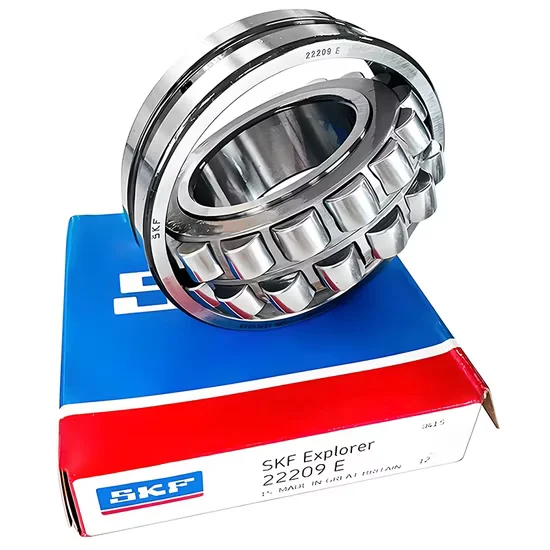
Having spent years navigating the floor at Hannover Messe, I learned this lesson the hard way. A German buyer once held three boxes of spherical roller bearings, pointing silently at the mismatched batch numbers on the outer packaging compared to the accompanying certificates. He did not question the steel quality or the precision grade. He simply stated that our traceability docs did not meet DACH return standards, threatening to scrap a two-year framework deal on the spot. That moment clarified that in this region, compliance is not an administrative afterthought; it is the product itself.
What triggers a bearing return in the DACH market?
Batch inconsistencies and documentation mismatches are the top causes of returns, not mechanical failure.
In many global markets, a return is initiated when a part fails physically. In the DACH region, the process often begins before the box is even opened. The primary trigger is a discrepancy between the physical item and its digital or paper trail. This includes mismatched batch numbers on the outer packaging versus the certificate of conformity, missing material certificates, or incomplete origin proofs.
Consider a scenario involving a Middle East steel mill operator sourcing for a European subsidiary. The bearings arrived in perfect condition, with no visible damage to the seals or races. However, the batch number stamped on the inner ring did not correspond to the batch listed on the mill test certificate. For a local workshop, this might be a minor clerical error. For a DACH-based quality assurance team, this is a critical breach of traceability. The entire lot was quarantined, not because the bearings were defective, but because their history could not be verified.
The risk here is financial and operational. A framework deal termination due to such compliance delays can cost several times the savings gained from competitive sourcing. The buyer’s perspective is clear: if the paperwork is flawed, the part is unverified. If the part is unverified, it cannot be installed in critical machinery. This mindset shifts the focus from simple product inspection to comprehensive document control.
To avoid these triggers, suppliers must implement standardized verification workflows. This means checking every certificate against every physical unit before shipment. It requires a level of diligence that goes beyond standard export practices. The goal is to ensure that when a client requests a DACH bearing returns and complaints process review, the documentation is flawless, leaving no room for ambiguity or rejection based on administrative grounds.
Which traceability documents are mandatory for DACH complaints?
Material certs, origin proofs, and batch records are non-negotiable for any formal complaint resolution.
When a complaint arises, the first request from a DACH client is never for a replacement part. It is for the full traceability package. This package must include material certificates that verify the steel composition, proof of origin that confirms the manufacturing source, and detailed batch records that link the specific unit to its production run.
Without these documents, a supplier cannot participate in the complaint process. The absence of a material certificate, for example, prevents the buyer from verifying if the bearing meets the required hardness and purity standards. Similarly, missing origin proofs can lead to customs delays or rejection, especially in urgent MRO scenarios where parts are needed immediately to minimize downtime.
A European wind farm operator once faced an emergency breakdown. The replacement bearings arrived quickly, but the origin proofs were missing. The parts were held at customs for days while the documentation was reworked. The lead time extension caused significant production losses, far exceeding the value of the bearings themselves. This incident underscores that the documents are as critical as the hardware.
Suppliers must ensure that these documents are ISO-compliant and easily accessible. They should be prepared in advance, not generated after a complaint is filed. This proactive approach demonstrates professionalism and reduces the risk of framework deal risks associated with compliance delays. By maintaining complete traceability documentation for genuine brands, suppliers can ensure zero doc-related return risks.
The key is consistency. Every document must reference the same batch numbers, dates, and specifications. Any deviation, no matter how small, can invalidate the entire package. This level of detail is what separates a reliable partner from a transient vendor in the DACH market. Understanding the DACH bearing returns and complaints process means mastering this documentation requirement.
How to structure a compliant return process?
Standardized RMA workflows with pre-verified documentation prevent framework deal risks.
A compliant return process is not reactive; it is structured and predictive. It begins with a standardized Return Material Authorization (RMA) workflow that includes pre-verified documentation. Before any physical return is accepted, the supplier must review the submitted documents to ensure they match the original shipment records.
This process involves several steps. First, the customer submits a complaint with the relevant batch numbers and documentation. Second, the supplier verifies these details against their internal records. Third, if the documentation is consistent, the physical inspection proceeds. If there are discrepancies, the issue is resolved at the document level, often avoiding the need for physical returns altogether.
This approach saves time and resources. It also builds trust with the client, who sees that the supplier takes compliance seriously. For example, a distributor in Southeast Asia implemented this workflow and noticed a drop in rejected claims. The majority of issues were resolved through document clarification, rather than costly shipping and inspection processes.
The structure must be transparent. Clients should know exactly what documents are required and how the verification process works. This clarity reduces friction and speeds up resolution. It also aligns with the expectations of DACH buyers, who value precision and predictability in their supply chains. By adopting this structured approach, suppliers can navigate the DACH bearing returns and complaints process efficiently, ensuring that returns are handled professionally and without unnecessary delay.
What are the penalties for non-compliance?
Framework deal termination and financial liabilities are the primary consequences of documentation failures.
Non-compliance with traceability and documentation standards carries severe penalties. The most immediate consequence is the rejection of the returned goods, leading to financial loss for the supplier. However, the long-term impact is far more damaging. Repeated compliance failures can lead to the termination of framework deals, which represent significant revenue streams for suppliers.
Beyond contract termination, there are legal and financial liabilities. If a bearing fails due to unverified materials, the supplier may be held liable for damages caused by the failure. This risk is heightened in industries like mining or energy, where equipment failure can lead to safety incidents and substantial operational losses.
A case involving a Latin American distributor illustrates this point. After several instances of missing material certs, a major German OEM removed them from their approved vendor list. The loss of this contract impacted their business across multiple regions, forcing them to rethink their entire quality assurance strategy. The cost of regaining trust was significantly higher than the cost of maintaining proper documentation initially.
To avoid these penalties, suppliers must prioritize compliance. This means investing in robust quality assurance systems and training staff on the importance of traceability. It also means selecting partners who understand the strict requirements of the DACH market. By ensuring that every shipment is accompanied by complete and accurate documentation, suppliers can protect their contracts and their reputation. Navigating the DACH bearing returns and complaints process correctly is essential for long-term success in this demanding market.
Conclusion
Documentation is the foundation of trust in the DACH bearing market.
Success in this region depends on more than just product quality; it requires meticulous attention to traceability and compliance. By understanding the strict requirements of the DACH bearing returns and complaints process, suppliers can avoid common pitfalls and build lasting relationships with industrial clients. Ensuring that every batch number matches its documentation is not just a procedural step; it is a critical business imperative.
What to state on your inquiry
A complete inquiry keeps the full model suffix and the specified execution, so the quote matches your parts list.
- Full SKF designationCopy every model suffix exactly as specified.
- Specified executionName any insulated, hybrid ceramic or clearance requirement.
- Motor and bearing positionGive the motor model and the position of each bearing.
- Quantity and deliveryList quantities, destination country, postcode and required date.