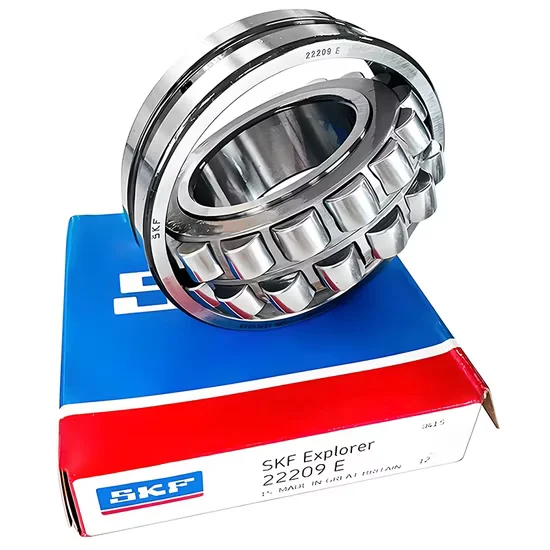
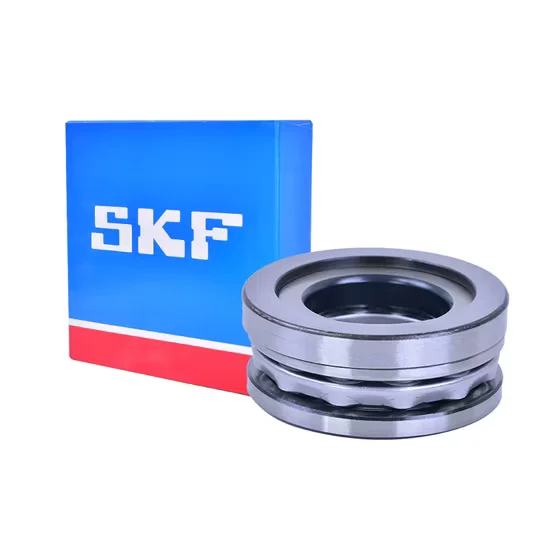
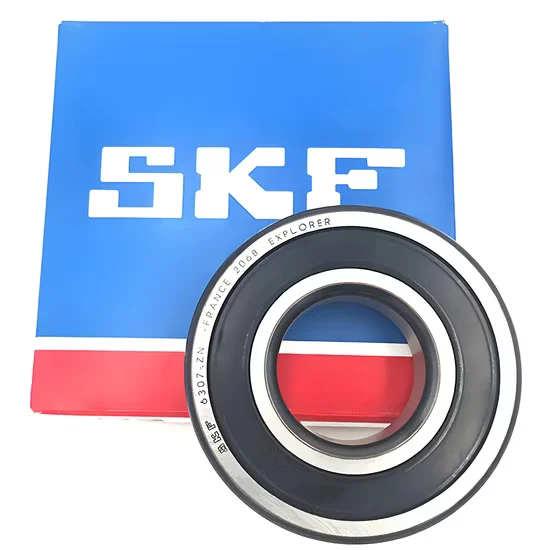
Water-resistant grease is not food-safe. This misconception destroys batches and halts production lines across the global food and beverage industry. The core answer for any procurement specialist or MRO manager is simple: only bearings lubricated with NSF H1-certified base oils, verified through complete traceability documentation, can prevent toxic byproduct contamination during high-temperature caustic washdowns. Relying solely on stainless steel housing or generic water resistance is a critical failure point that leads to massive product loss and regulatory non-compliance.
I still remember the heat in Riyadh, standing next to a silent dairy processing line. The air smelled of sour milk and burnt metal. A local plant manager was shouting at a maintenance crew, pointing at a seized deep groove ball bearing that had locked up mid-cycle. We had sourced the hardware based on the lowest bid, ignoring the lubrication grade. The standard industrial grease had degraded under the high-temperature steam cleaning, turning into a sticky, toxic sludge that washed directly into the product stream. The entire batch was ruined. That day taught me that in food processing, the bearing is only as good as its lubricant. Since then, I have focused exclusively on verifying food-grade specifications, ensuring that every unit supplied meets strict EHEDG and FDA standards.
Understanding why standard components fail requires looking beyond the steel. In brewery and dairy environments, equipment faces aggressive cleaning cycles using caustic soda and hot water. Standard lithium-based greases break down chemically under these conditions. They lose their viscosity, wash out of the bearing raceways, and allow contaminants to enter. Worse, the degraded grease itself becomes a contaminant. This is where a knowledgeable Food-Grade Lubrication Case Study: Wholesale Supplier adds value by distinguishing between mere water resistance and true chemical stability.
Why Standard Bearings Fail in Brewery Environments?
High-temperature washdowns degrade non-food-grade grease, leading to bearing seizure and product contamination. Most buyers assume that if a bearing is made of stainless steel, it is safe for food zones. This is a dangerous oversimplification. The failure mechanism is rarely the steel corroding; it is the lubricant failing.
In a typical brewery, bottles or kegs move through pasteurizers and washers at temperatures exceeding 80°C. Standard EP (Extreme Pressure) greases, designed for heavy industrial loads, cannot withstand this thermal stress combined with alkaline cleaners. The soap structure of the grease collapses. Once the grease emulsifies with the wash water, it loses its ability to protect the rolling elements. Friction increases, heat builds up, and the bearing seizes.
Consider the case of a mid-sized bottling facility in Southern Europe. They experienced repeated downtime on their labeling line. The maintenance team kept replacing the bearings, blaming vibration or misalignment. However, the root cause was the lubricant. They were using a general-purpose waterproof grease. During the nightly CIP (Clean-in-Place) cycle, the grease washed out, leaving the races dry. By morning, the bearings were noisy and overheating. Switching to an H1-certified polyalphaolefin (PAO) based grease solved the issue. PAO base oils are synthetic and highly stable against hydrolysis and oxidation.
The key takeaway is that the lubricant must be compatible with the cleaning agents. If you are sourcing from a Food-Grade Lubrication Case Study: Wholesale Supplier, insist on seeing the technical data sheet for the grease, not just the bearing steel grade. Look for high dropping points and confirmed resistance to common sanitizers like peracetic acid.
Decoding the Bavarian Brewery Case: From Contamination to H1 Compliance
Switching to verified H1-certified bearings and proper base oils saved the production line from catastrophic contamination. A few years ago, I consulted with a brewery in Bavaria that faced a severe audit risk. Their existing bearings were labeled "food compatible" by the manufacturer, but lacked specific NSF registration. When auditors requested proof of incidental food contact safety, the documentation was vague.
The brewery decided to upgrade their critical points—filler heads, conveyors, and pasteurizer exits—to fully certified H1 deep groove ball bearings. The difference was immediate. The new bearings used a specialized H1 grease with a high-purity PAO base oil. This oil does not break down into toxic byproducts even if small amounts migrate into the beer.
The impact on maintenance was significant. Previously, the team had to relubricate these points weekly to compensate for washout. With the H1-certified units, the relubrication interval extended substantially. The grease stayed in place, forming a robust barrier against moisture and chemicals. More importantly, the micro-contamination risk disappeared. No more grey streaks on the bottle necks, no more off-flavors traced back to lubricant degradation.
This case highlights the importance of traceability. The supplier provided full batch documentation, linking each bearing to its specific lubrication certificate. This level of detail is what separates a generic trader from a reliable Food-Grade Lubrication Case Study: Wholesale Supplier. It allows the end-user to pass strict EU food safety audits without delay.
For distributors serving the food and beverage sector, this story is a powerful sales tool. It shifts the conversation from price per unit to cost of ownership and risk mitigation. A failed audit or a contaminated batch costs far more than the premium for certified components.
How to Verify Food-Grade Bearing Authenticity and Specs
Checking NSF H1 certificates, base oil composition, and supplier traceability docs is mandatory for compliance. Not all "food grade" labels are created equal. The market is flooded with products that claim compliance but lack the necessary third-party verification. As a buyer, you must dig deeper than the marketing brochure.
First, verify the NSF registration. NSF International maintains a database of registered non-food compounds and lubricants. An H1 registration means the lubricant is safe for incidental food contact. H2 lubricants are for non-contact areas, and H3 are soluble oils. Using an H2 lubricant in a food zone is a violation. Ensure the bearing manufacturer or the lubricator has a valid NSF number that you can cross-reference online.
Second, examine the base oil. High-quality H1 greases typically use PAO (Polyalphaolefin) or PAG (Polyalkylene Glycol) base oils. Avoid mineral oil-based greases for high-washdown areas, as they are more prone to oxidation and bacterial growth. Ask the supplier for the Material Safety Data Sheet (MSDS) and the Technical Data Sheet (TDS). These documents should clearly state the base oil type and the thickener system.
Third, demand traceability. A professional Food-Grade Lubrication Case Study: Wholesale Supplier will provide a certificate of conformity for each batch. This document should link the bearing serial number or batch code to the specific lubrication event and the NSF certificate of the grease used. Without this chain of custody, you cannot prove compliance during an audit.
| Verification Step | Required Document | Key Checkpoint |
|---|---|---|
| NSF Registration | NSF Certificate | Valid H1 status for incidental contact |
| Base Oil Type | Technical Data Sheet | PAO or PAG preferred for stability |
| Traceability | Batch Certificate | Link between bearing and lubricant batch |
| Hygiene Standard | ISO 21469 Certificate | Manufacturing process hygiene verification |
This verification process protects your reputation. It ensures that every component entering your facility meets the highest safety standards. It also simplifies the procurement process for your customers, who rely on your expertise to filter out non-compliant products.
Selecting the Right Bearing & Lubrication for Food Processing
Matching deep groove ball bearings with correct H1 grease for specific brewery zones optimizes performance. Not every part of a food processing plant has the same requirements. A one-size-fits-all approach leads to over-engineering in some areas and failure in others.
In dry zones, such as packaging areas, standard H1 grease with a lithium complex thickener may suffice. The primary concern here is preventing dust ingress and ensuring long service life. However, in wet zones like washdown areas, pasteurizers, and fillers, you need a grease with superior water resistance and chemical stability. PAO-based H1 greases with aluminum complex or polyurea thickeners offer better protection against washout.
Temperature is another critical factor. In baking ovens or sterilization tunnels, bearings face extreme heat. Here, the dropping point of the grease becomes vital. A low dropping point means the grease will melt and run out, leaving the bearing unprotected. Select bearings pre-lubricated with high-temperature H1 grease that can withstand continuous operation at elevated temperatures.
Corrosion resistance is also key. While the lubricant protects the internal races, the external surfaces must resist rust. Stainless steel bearings (AISI 440C or AISI 316) are ideal for harsh environments. However, even stainless steel can suffer from crevice corrosion if the seal is compromised. Ensure the seals are made from food-grade elastomers like FKM or EPDM, which are resistant to cleaning agents.
By segmenting your inventory based on these operational zones, you can offer tailored solutions to your clients. This demonstrates technical competence and builds trust. A knowledgeable Food-Grade Lubrication Case Study: Wholesale Supplier does not just sell parts; they provide application engineering support. They help clients map their equipment to the right specifications, reducing the risk of premature failure.
Conclusion
Food safety starts with the right lubrication. Choosing H1-certified bearings with verified traceability is not an optional upgrade; it is a fundamental requirement for modern food and beverage production. The cost of a single contamination incident far outweighs the investment in proper components.
By focusing on base oil stability, NSF certification, and complete documentation, you protect your production line and your brand. Partner with suppliers who understand these nuances and can provide the technical evidence to back their claims. This approach ensures compliance, minimizes downtime, and guarantees the safety of the final product.
What to state on your inquiry
A complete inquiry keeps the full model suffix and the specified execution, so the quote matches your parts list.
- Full SKF designationCopy every model suffix exactly as specified.
- Specified executionName any insulated, hybrid ceramic or clearance requirement.
- Motor and bearing positionGive the motor model and the position of each bearing.
- Quantity and deliveryList quantities, destination country, postcode and required date.