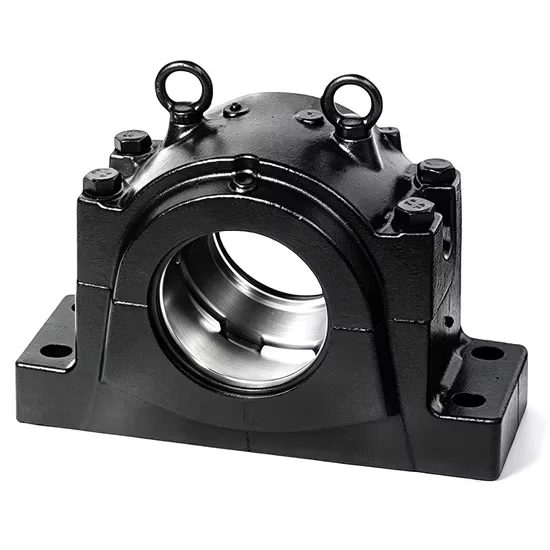
SNL and SAF housings are not interchangeable.
Accurate SKF housing selection for SNL, SE, and SAF series requires strict matching of shaft systems, seal suffixes, and environmental ratings to prevent catastrophic field failures. The core distinction lies in the shaft measurement system: SNL and SE housings are designed for metric shafts, while SAF housings are engineered exclusively for inch shafts. Misidentifying this fundamental difference leads to assembly halts, incorrect bore tolerances, and premature bearing failure in heavy-duty applications.
I still recall the humidity clinging to the air in Lagos, a stark contrast to the dry heat of the quarry inland. A shipment of split pillow block housings had arrived, destined for a primary crusher drive. The local maintenance team was confident, assuming that a standard replacement would fit the existing shaft. They were wrong. The specification called for an SAF series housing, but the delivered units were SNL models. The metric bore of the SNL housing could not accommodate the inch-diameter shaft of the American-made crusher. The result was not just a delayed installation. It meant tons of cargo stuck at the port, accruing demurrage costs daily, while the site waited for air-freighted replacements*ng is not just a container; it is a precision interface defined by strict dimensional standards.
Understanding these nuances is essential for procurement managers and distributors who handle mixed-brand inventories. Relying on visual similarity alone is a recipe for operational downtime. This guide breaks down the technical distinctions between these series, offering a clear path to correct selection.
What Are the Core Differences Between SNL, SE, and SAF Housings?
SNL and SE housings serve metric shafts with modular seals, while SAF is strictly for inch shafts and heavy-duty mining loads.
The confusion often stems from the similar external appearance of these plummer blocks. However, their internal engineering and intended applications diverge significantly. The SNL series is the standard metric housing, widely used in general industrial applications. It features a robust cast iron or ductile iron construction and supports a wide range of spherical roller bearings. The SE series is a variant of the SNL, often optimized for specific sealing configurations or lighter duty cycles, but it remains firmly within the metric ecosystem.
In contrast, the SAF series is built for the imperial system. It is commonly found in heavy industries such as mining, pulp and paper, and aggregate processing, particularly in regions where equipment origins are North American. The SAF housing is designed to withstand higher shock loads and harsher environments. Its base dimensions and bolt hole patterns differ from the SNL series, making direct substitution impossible without verifying the mounting footprint.
| Feature | SNL Series | SE Series | SAF Series |
|---|---|---|---|
| Shaft System | Metric | Metric | Inch |
| Primary Application | General Industrial | General Industrial / Light Duty | Heavy Duty / Mining |
| Material Options | Cast Iron, Ductile Iron | Cast Iron, Ductile Iron | Cast Iron, Ductile Iron |
| Seal Compatibility | Modular (TSN, TSV, etc.) | Modular | Modular (Specific Inch Seals) |
| Load Capacity | High | Moderate to High | Very High |
A European wind farm operator once attempted to replace a failed SAF housing with an SNL unit due to immediate availability. The bearing fit was loose, leading to micro-movement and eventual fretting corrosion on the shaft. The downtime cost far exceeded the price difference between the two housing types.
For wholesalers stocking multi-brand bearings, recognizing this divide is crucial. Mixing metric and inch inventory without clear labeling invites errors. The key is to always verify the shaft diameter system before selecting the housing series.
How to Read the SKF Housing Selection Table Correctly?
Follow a strict sequence: shaft diameter > bearing type > seal suffix > lubrication method.
Reading a technical dimension table requires more than just matching a number. The SKF housing selection table is structured to guide the user through a logical decision tree. Skipping steps or assuming equivalence between columns can lead to selecting a housing that physically fits but functionally fails.
First, identify the shaft diameter. This is the primary filter. If the shaft is measured in millimeters, look at the SNL or SE tables. If it is in inches, refer to the SAF tables. Do not attempt to convert the diameter and force a fit; the tolerance classes are different.
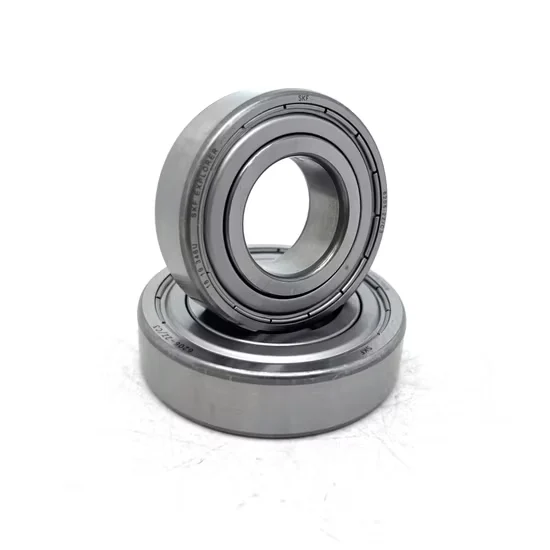
Next, match the bearing type. Spherical roller bearings are the most common pairing, but the housing must accommodate the specific outer diameter and width of the bearing. The table will list compatible bearing series, such as 222, 223, or 230 series. Ensure the housing designation aligns with the bearing’s self-aligning capability.
Then, consider the seal suffix. This is where many selections go wrong. The table lists various seal options, each with a specific suffix code. These codes indicate the material and design of the seal, which directly impacts performance in dusty or wet environments. Ignoring this column means ignoring the protection level of the bearing.
Finally, check the lubrication method. Some housings come with pre-drilled grease nipples, while others require separate accessories. The table will specify if the housing includes these features or if they must be ordered separately.
A step-by-step approach prevents oversight. Start with the shaft, move to the bearing, then the seal, and finally the accessories. This method ensures that every component works in harmony.
Why Do Seal Suffixes Matter in Harsh Environments?
A single letter change in the seal suffix prevents dust ingress and extends relubrication intervals in extreme heat.
In high-dust environments like cement plants or quarries, the housing seal is the first line of defense. A wrong seal suffix can lead to premature grease contamination, shortening the replacement cycle by half. The seal suffix is not just a label; it defines the sealing technology.
For example, a standard labyrinth seal might suffice for a clean factory floor. But in a coal handling plant, a V-ring or a specialized felt seal is necessary to block fine particulate matter. The suffix indicates whether the seal is made of nitrile rubber, polyurethane, or felt, and whether it includes a grease purge feature.
I once visited a steel mill in the Middle East where conveyor bearings were failing every few months. The investigation revealed that the housings were fitted with standard seals, inadequate for the abrasive dust present. Switching to a housing with a heavy-duty seal suffix, designed for harsh environments, extended the service life meaningfully. The cost of the upgraded seal was negligible compared to the savings in labor and bearing replacements.
| Seal Type | Suffix Example | Environment Suitability | Protection Level |
|---|---|---|---|
| Labyrinth | Standard | Clean / Low Dust | Basic |
| V-Ring | V | Moderate Dust / Moisture | Resistant |
| Felt | F | High Dust / Dry | Robust |
| Combination | TSNA/TSNV | Extreme Dust / Wet | Certified |
Selecting the right seal suffix requires understanding the operating conditions. Temperature, humidity, and contaminant type all play a role. A seal that works in a dry mine may fail in a wet processing plant. Always consult the seal specification chart to match the suffix to the environment.
How to Avoid Procurement Disasters When Swapping Brands?
Always verify dimensional equivalence and bolt-hole patterns before substituting SKF housings with other brands.
Mixed-brand procurement is common, especially when seeking cost efficiencies or faster lead times. However, assuming that all "SNL-style" housings are identical is a dangerous assumption. While many manufacturers follow ISO standards, slight variations in bolt hole spacing, base height, or bore tolerance can prevent proper installation.
When swapping brands, start with a dimensional cross-reference. Compare the overall length, width, and height of the housing. Check the distance between the mounting bolts. Even a millimeter difference can cause alignment issues with the machine frame. Then, verify the bore diameter and tolerance. A housing from one brand may have a tighter or looser fit than the original, affecting bearing performance.
A US buyer once sourced alternative housings for a fleet of pumps. The dimensions appeared identical on paper, but the bolt holes were slightly offset. This required re-drilling the baseplates, adding days to the maintenance schedule. The initial savings were wiped out by the labor costs and production delay.
To mitigate this risk, use technical cross-reference tools and consult with suppliers who offer genuine traceability. Verify the material certification and quality assurance documents. Ensure that the replacement housing meets the same load and speed ratings as the original.
Our approach to mixed-brand sourcing involves rigorous verification. We provide technical support to ensure that every substitute part meets the exact specifications of the original. This prevents costly field mismatches and ensures seamless integration into existing systems. By focusing on dimensional accuracy and material quality, we help clients maintain reliability while optimizing their supply chain.
Conclusion
Precision in housing selection prevents operational failure.
Choosing the correct SKF housing series requires attention to shaft systems, seal requirements, and dimensional standards. SNL and SE serve metric applications, while SAF is dedicated to inch-based heavy duties. Seal suffixes dictate environmental resilience, and brand swapping demands strict dimensional verification. Accurate selection ensures longevity and reliability in demanding industrial settings.
What to state on your inquiry
A complete inquiry keeps the full model suffix and the specified execution, so the quote matches your parts list.
- Full SKF designationCopy every model suffix exactly as specified.
- Specified executionName any insulated, hybrid ceramic or clearance requirement.
- Motor and bearing positionGive the motor model and the position of each bearing.
- Quantity and deliveryList quantities, destination country, postcode and required date.